• 01Services
  • 02Portfolio
  • 03About
  • 04Careers
  • 05Blog

Services

All services

New · AI-native delivery

Senior engineers with AI coding agents

Ship a production MVP in weeks, or install agents into the team you already have.

Agentic MVPNewA production MVP your customers can rely on. Validate in 1–2 weeks, launch in 4–8, own all of it.Explore
  • Agentic SDLCAI coding agents installed into your delivery process in two weeks, with guardrails and metrics.
Agentic SDLC hub
>_ProductScope StudioFrom an idea to a shareable PRD_> Open_> Open
Emailcontact@apptension.comCall+48 533 352 052

HQ in Poznań, Poland

Start a project
Services
About
Portfolio
Careers
Blog
Get in touch
All technology hubs

Stack hub/Reviewed 16 November 2026/15 min read

Temporal Development

Temporal workflows for the processes that can't silently fail: payments, onboarding, infrastructure operations and long-running AI agents. We design workflows, activities and versioning so your team can deploy daily without breaking executions already in flight.

Short answer

Choose Temporal when a business process spans many services, minutes to months, and must finish even when workers crash or APIs fail. We build Temporal workflows with senior engineers only: deterministic code, versioned deploys and observability from day one.

Clue 01$250M+annualized revenue run rate

Shake for the next clue

Source: temporal.io ↗
1 / 4
Temporal in numbers
$250M+ annualized revenue run rate (source: temporal.io)
1.9T+ actions processed on Temporal Cloud in one month (source: temporal.io)
4,300+ paying customers (source: temporal.io)
24k+ GitHub stars on the Temporal server repo (source: github.com)

Your route through this hub

CoversTemporalTemporal CloudTypeScriptPythonGoPostgreSQLKubernetesAWS

  1. Stage 1 · Understand

    Is it right for our product?

    • 01What it isThe plain-words version
    • 02Where it pays off6 proven patterns
    • 03How it fits7 steps, one request
    • 04How it got here9 milestones
  2. Stage 2 · Choose

    What would we build it with?

    • 05Toolkit14 tools mapped
    • 06Who runs it14 teams in production
    • 07Alternativesvs 3 options
  3. Stage 3 · Ship

    How do we go live without surprises?

    • 08Readiness check20 checks, scored
    • 09What breaks6 mistakes and fixes
  4. Stage 4 · Decide

    What would you do in our place?

    • 10Should you use it?Our verdict, scope and rollout
    • 11What we shipped3 case studies
    • 12Questions we get7 straight answers
    • 13Sources14 cited, 10 terms

__> Teams we have built for

Temporal
01What it is02Where it pays off03How it fits04How it got here05Toolkit06Who runs it07Alternatives08Readiness check09What breaks10Should you use it?11What we shipped12Questions we get13Sources
01What it is

What is Temporal?

Temporal is an open-source durable execution platform: you write workflows as ordinary code in Go, Java, TypeScript, Python, .NET, PHP or Ruby, and Temporal records every step so a workflow resumes exactly where it left off after crashes, deploys or outages. It runs self-hosted under the MIT license or as the managed Temporal Cloud.

Why teams adopt it

AI agents and multi-service product flows fail in the middle: an LLM call times out, a worker restarts, a user takes a day to approve. Temporal turns those into retries and waits instead of custom state machines, which is why companies like Replit, Lindy and Emergent run their agents on it. In September 2026 Temporal reported more than 4,300 paying customers and 1.9 trillion Temporal Cloud actions in August alone.

How it works

  1. 1

    Write a workflow

    A workflow is a deterministic function that orchestrates steps, timers and waits, while side effects like API calls live in activities.

  2. 2

    Start it through the service

    A client starts the workflow with a unique Workflow ID, and the Temporal Service stores each event in the workflow's Event History.

  3. 3

    Workers execute tasks

    Your workers poll a task queue, run workflow and activity code, and report results back to the service.

  4. 4

    Failures are retried

    Failed activities are retried by policy, and a crashed worker's workflow moves to another worker, which replays the history to rebuild state.

  5. 5

    Interact while it runs

    Signals, updates and queries let users or other systems send input, such as an approval, to a workflow that may run for days.

02Where it pays off

Where Temporal pays off

The jobs it does best in real products: the problem you would have, how we would build it, and who already runs it that way.

Durable AI agents

Problemstep 1
Agent runs take minutes to hours, make dozens of LLM and tool calls, and lose all progress when a process dies.
Patternstep 2
Run the agent loop as a workflow, make each LLM call and tool execution an activity, and use signals or updates for human approval.
In the wildstep 3
Emergent runs 10 to 30 minute agent builds with sub-agents as child workflows.
Payments and sagas

Problemstep 1
A multi-step money movement can fail halfway and leave accounts inconsistent.
Patternstep 2
Model each step as an activity with idempotency keys and register a compensating activity that runs if a later step fails.
In the wildstep 3
Coinbase replaced its homegrown saga engine; Vinted runs payment flows at 10 to 12 million a day.

Long-running business processes

Problemstep 1
Onboarding, KYC or renewals wait on people and calendars for days or months.
Patternstep 2
Use durable timers for waits and signals for external input, and Continue-As-New before histories grow large.
In the wildstep 3
Mollie runs annual remediation for over 150,000 customers as long-lived workflows.

Media and data pipelines

Problemstep 1
Multistage processing calls external APIs and GPUs, and results arrive out of order.
Patternstep 2
Fan out activities to separate task queues per resource type, then merge results back in the parent workflow.
In the wildstep 3
Descript routes GPU activities to dedicated task queues in its transcription workflow.

Infrastructure control planes

Problemstep 1
Cloud operations and deployments fail on transient errors, and homegrown orchestrators are hard to maintain.
Patternstep 2
Express each operation as a workflow with retried activities, and expose approved workflows to other teams through Nexus.
In the wildstep 3
Netflix runs Spinnaker orchestration on Temporal; Duolingo offers self-service cloud operations via Nexus.

Scheduled sync jobs

Problemstep 1
Cron jobs overlap, skip runs and fail silently against rate-limited third-party APIs.
Patternstep 2
Use Temporal Schedules with an explicit overlap policy and split large syncs into chunked child workflows.
In the wildstep 3
Nooks syncs Salesforce and HubSpot data with Schedules using the BUFFER_ALL overlap policy.
03How it fits

How a Temporal workflow executes

One real request, step by step: which part of the system handles it, and why that part is there.

01 Clients02 Temporal03 Task queues04 Workers05 External
Step 1/7·Request
Hover a part for detail
04How it got here

Is Temporal a safe bet?

The releases and decisions that matter when you are betting a product on it, in order.

  1. 2015

    Cadence at Uber

    Samar Abbas and Maxim Fateev co-created Cadence at Uber, the workflow engine Temporal grew out of.

    temporal.io
  2. 2020Sep

    Temporal V1

    Temporal reached its first stable production release.

    temporal.io
  3. 2022Jul

    TypeScript SDK 1.0

    The TypeScript SDK reached 1.0.

    temporal.io
  4. 2022Nov

    Temporal Cloud expanded access

    Temporal Cloud removed its waitlist after more than 100 organizations joined the preview.

    temporal.io
  5. 2025Mar

    Nexus and multi-region GA

    At Replay 2025, Temporal Nexus, multi-region replication and Temporal Cloud on Google Cloud became generally available.

    temporal.io
  6. 2025Jul

    OpenAI Agents SDK integration

    Temporal and OpenAI released a public preview that runs Agents SDK agents durably in Python workflows; it became GA in March 2026.

    temporal.io
  7. 2026Feb

    Series D at $5B

    Temporal raised $300M led by Andreessen Horowitz and reported 9.1 trillion lifetime Temporal Cloud actions.

    temporal.io
  8. 2026May

    Worker Versioning GA

    At Replay 2026, Worker Versioning and Task Queue Priority and Fairness went GA, and Serverless Workers on AWS Lambda entered pre-release.

    temporal.io
  9. 2026Sep

    Series E at $12.55B

    Temporal raised $550M led by Lightspeed.

    temporal.io
05Toolkit

What you would build Temporal with

The libraries and services we would actually put in your stack, and when each one earns its place. Filter by layer or language.

Language
  • Server · Go

    Temporal Server

    The open-source Temporal Service; self-host it when data residency or cost rules out Temporal Cloud.

    Temporal24.4k
  • SDK · TypeScript

    TypeScript SDK

    Runs workflows in a deterministic sandbox in Node.js; the natural pick for TypeScript backends and agent code.

    Temporal1.0k
  • SDK · Python

    Python SDK

    Asyncio-based SDK with the OpenAI Agents SDK integration; the common choice for AI and data teams.

    Temporal1.3k
  • SDK · Go

    Go SDK

    The most mature SDK, used for high-throughput services and infrastructure control planes.

    Temporal1.0k
  • SDK · Java

    Java SDK

    For JVM shops; used by companies such as Mollie and Maersk in their case studies.

    Temporal0.4k
  • SDK · C#

    .NET SDK

    Durable workflows for .NET services with async/await-style workflow code.

    Temporal0.6k
  • Tooling · Any

    Temporal CLI

    Runs a local dev server with one command and inspects, signals and resets workflows.

    Temporal0.4k
  • Observability · TypeScript

    Temporal UI

    Web UI for browsing workflow histories, pending activities and failures; support teams use it to trace a single execution.

    Temporal0.4k
  • Hosting · Any

    Helm charts

    Starting point for running the Temporal Service on Kubernetes when self-hosting.

    Temporal0.6k
06Who runs it

Who already bets on Temporal

Companies running it in production, and what for. Every entry links to their own write-up, so you can check our homework.

  • Runs each Replit Agent session as its own workflow on Temporal Cloud, using unique Workflow IDs to keep one agent per session and updates for user consent steps.

    temporal.io
  • Models each agent wake-up, API call and LLM interaction as a workflow in the TypeScript SDK, processing 2.5M actions a day after moving off BullMQ.

    temporal.io
  • Runs 10 to 30 minute agent builds as Go workflows with sub-agents as child workflows, over 1 billion actions a month, and replays histories to ship agent changes several times a day.

    temporal.io
  • Runs every support conversation as a workflow, using timers to follow up with unresponsive customers and durable API calls for account actions.

    temporal.io
  • Runs call logging and Salesforce and HubSpot sync pipelines as TypeScript workflows with child workflows and Schedules, scaling from 30-40k to over 1 million calls a day.

    temporal.io
  • Runs its multistage AI transcription pipeline as Go workflows and routes GPU activities to dedicated task queues; incidents fell from about one a week to virtually zero.

    temporal.io
  • Runs each Retool Agents run as a TypeScript workflow on Temporal Cloud, handling state, retries, tool calls and human-in-the-loop steps.

    temporal.io
  • Runs 10 to 12 million payment workflows and activities a day with the Ruby SDK on self-hosted Temporal, plus Temporal Cloud for new services.

    temporal.io
  • Runs months-long annual KYC remediation for over 150,000 customers as Java workflows on Temporal Cloud, encrypting personal data before it leaves Mollie.

    temporal.io
  • Exposes cloud operations such as RDS resizing as self-service workflows across namespaces with Temporal Nexus, with Slack approvals for sensitive steps.

    temporal.io
  • Replaced Airflow, cron jobs and long-running RPCs with self-hosted Python workflows for order fulfillment, at over 10 million workloads a day.

    temporal.io
  • Replaced a homegrown saga engine for multi-step transactions with Cadence-lineage workflows that roll back completed steps when one fails.

    temporal.io
  • Moved payment orchestration and a decades-old booking monolith to Java workflows, cutting feature delivery from 60-80 days to 5-10 days.

    temporal.io
  • Re-platformed Spinnaker on Temporal as the backend that orchestrates its continuous delivery pipelines.

    temporal.io
Startup · Developer tools01 / 14

Replit

Runs each Replit Agent session as its own workflow on Temporal Cloud, using unique Workflow IDs to keep one agent per session and updates for user consent steps.

Source: temporal.io
07Alternatives

Temporal vs Inngest vs Restate vs AWS Step Functions

No option wins every row. Find the row that matters most for your product and the choice usually makes itself.

Temporal vs Inngest vs Restate vs AWS Step Functions
CriterionTemporalInngestRestateAWS Step Functions
Programming modelWorkflows and activities as code, replayed from historyFunctions with steps, triggered by eventsHandlers with persisted steps and per-key stateState machines in Amazon States Language (JSON)
Where your code runsLong-running workers polling task queues (Lambda workers in pre-release)Your HTTPS endpoints, including serverless and edgeYour services, including serverless functionsLambda and AWS service integrations
HostingSelf-hosted (MIT) or Temporal CloudInngest Cloud or self-hostedRestate Cloud, BYOC or self-hostedAWS only, fully managed
LanguagesGo, Java, TypeScript, Python, .NET, PHP, RubyTypeScript, Python, Go, Kotlin/JavaTypeScript, Java, Kotlin, Python, Go, Rust, RubyASL for the flow, any Lambda runtime for tasks
Long waitsDurable timers, signals and updates, no fixed maximumSteps can wait on events or sleep for monthsSuspends on awaited promisesUp to one year (Standard), five minutes (Express)
Best fitComplex, long-running, high-volume workflows and agentsEvent-driven jobs in serverless TypeScript appsLow-latency stateful services and handlersTeams all-in on AWS orchestrating AWS services
Temporal vs
  • Programming model

    Temporal

    Workflows and activities as code, replayed from history

    Inngest

    Functions with steps, triggered by events

  • Where your code runs

    Temporal

    Long-running workers polling task queues (Lambda workers in pre-release)

    Inngest

    Your HTTPS endpoints, including serverless and edge

  • Hosting

    Temporal

    Self-hosted (MIT) or Temporal Cloud

    Inngest

    Inngest Cloud or self-hosted

  • Languages

    Temporal

    Go, Java, TypeScript, Python, .NET, PHP, Ruby

    Inngest

    TypeScript, Python, Go, Kotlin/Java

  • Long waits

    Temporal

    Durable timers, signals and updates, no fixed maximum

    Inngest

    Steps can wait on events or sleep for months

  • Best fit

    Temporal

    Complex, long-running, high-volume workflows and agents

    Inngest

    Event-driven jobs in serverless TypeScript apps

08Readiness check

Is your Temporal setup ready for real traffic?

The checks teams that run it well have in place before launch. Tick what you already have and see where you stand. Your answers stay on this device.

0%

0 / 20

Tick what you already have

  • Workflow code0/4
  • Versioning and deploys0/4
  • Limits and payloads0/4
  • Operations0/4
  • AI agents0/4
Workflow code

01 · Workflow code

Versioning and deploys

02 · Versioning and deploys

Limits and payloads

03 · Limits and payloads

Operations

04 · Operations

AI agents

05 · AI agents

09What breaks

Where Temporal projects go wrong

What we find most often when we audit or inherit a codebase, and how we fix it.

  • !

    Non-deterministic workflow code

    Fix · Reading the clock, generating random values or calling APIs directly in a workflow breaks replay. Use SDK time and random helpers and move I/O into activities.

  • !

    Deploying changes that break running workflows

    Fix · Changing the order of steps in running workflows causes non-determinism errors. Use Worker Versioning or patching, and replay production histories in CI.

  • !

    Unbounded event history

    Fix · Long loops and chatty agents hit the 51,200-event or 50 MB limit. Use Continue-As-New at a natural boundary and keep large data out of payloads.

  • !

    Non-idempotent activities

    Fix · Activities are retried, so a charge or email can happen twice. Pass idempotency keys downstream, derived from the Workflow ID and activity input.

  • !

    Missing timeouts

    Fix · An activity without a sensible start-to-close timeout can hang a workflow on a stuck call. Set timeouts per activity, and heartbeats for long ones.

  • !

    Using Temporal as a plain job queue

    Fix · For single fire-and-forget jobs, Temporal adds workers and versioning overhead. Keep Celery or BullMQ for those and use Temporal where state spans steps.

Minimal durable workflow with retries and a timer (TypeScript SDK)

>_ $
1
2
3
4
5
6
7
8
9
10
11
12
13
14
15
16
17
18
19
20
21
22
23
24
25
26
27
28
29
30
31
32
33
34
35
36
37
38
39
// workflows.ts
import {
  proxyActivities,
  sleep
} from '@temporalio/workflow';
import type * as activities from './activities';
const {
  chargeCustomer,
  sendReceipt
} = proxyActivities < typeof activities > ({
  startToCloseTimeout: '1 minute',
  retry: {
    maximumAttempts: 5
  },
});

export async function orderWorkflow(orderId: string): Promise < void > {
  await chargeCustomer(orderId); // retried on failure, never re-run on replay
  await sleep('1 day'); // durable timer survives restarts
  await sendReceipt(orderId);
}

// worker.ts
import {
  Worker
} from '@temporalio/worker';
import * as activities from './activities';
async function run() {
  const worker = await Worker.create({
    workflowsPath: require.resolve('./workflows'),
    activities,
    taskQueue: 'orders',
  });
  await worker.run();
}
run().catch((err) => {
  console.error(err);
  process.exit(1);
});
10Should you use it?

When Temporal is the right call, and how we ship it

Our engineers' view after building on it: where it earns its place, where something simpler wins, and the rollout we run.

Strong fit

  • Multi-step business processes such as payments, onboarding or fulfillment that must complete exactly once
  • AI agents that run for minutes or hours, call many tools and wait on humans
  • Teams replacing cron jobs, queue chains and homegrown state machines
  • Platform teams building self-service infrastructure operations

Weak fit

  • Single fire-and-forget background jobs where a simple queue is enough
  • Teams unwilling to run workers or adopt deterministic workflow code
  • Greenfield work with no product owner and no decision rights

What we deliver

  • 01

    Workflow design

    Workflows and activities split along failure boundaries, with timeouts, retry policies and compensation designed up front.

  • 02

    Durable AI agents

    Agent loops where each LLM call and tool use is an activity, with human approval via signals and updates and full replayable history.

  • 03

    Safe deploys and versioning

    Worker Versioning, replay tests against production histories and patching where needed, so code changes never break running workflows.

  • 04

    Operations on Cloud or self-hosted

    Temporal Cloud or self-hosted clusters with worker autoscaling, payload encryption, metrics and alerts on task queue latency.

How we deliver Temporal work

How we would roll it out

Every phase ends at a gate. Nothing moves on until it passes, so you always know what you have and what is next.

    010203Live
  1. 01

    Phase 1

    Fit and workflow map

    Confirm Temporal is the right tool, map the process into workflows and activities, and pick Cloud or self-hosted.

    You walk away with

    A workflow map: which steps are workflows, which are activities, and a Cloud or self-hosted decision.

    Gate Workflow map and hosting choice agreed

  2. 02

    Phase 2

    One durable path

    Ship one workflow to production with workers, retries, replay tests, dashboards and a versioning strategy before expanding.

    You walk away with

    One workflow in production with workers, retry policies, replay tests, dashboards and a versioning plan.

    Gate Replay tests pass on real histories

  3. 03

    Phase 3

    Migrate and hand over

    Move legacy flows behind feature flags, tune workers and document patterns so your team can build the next workflows alone.

    You walk away with

    Legacy flows moved behind feature flags, tuned workers and documented patterns your team can reuse.

    Live when Your team ships a new workflow alone

Related projects

Projects where we did this work

Explore our portfolio
Teamdeck legacy modernization with a governed AI SDLC

SaaS · AI Development · Backend Development

Teamdeck legacy modernization with a governed AI SDLC

Teamdeck stage moved to Temporal, Pulumi and ECS in about nine weeks: 60 pull requests through written plans and CI gates, no feature freeze. Prod is next.

View project
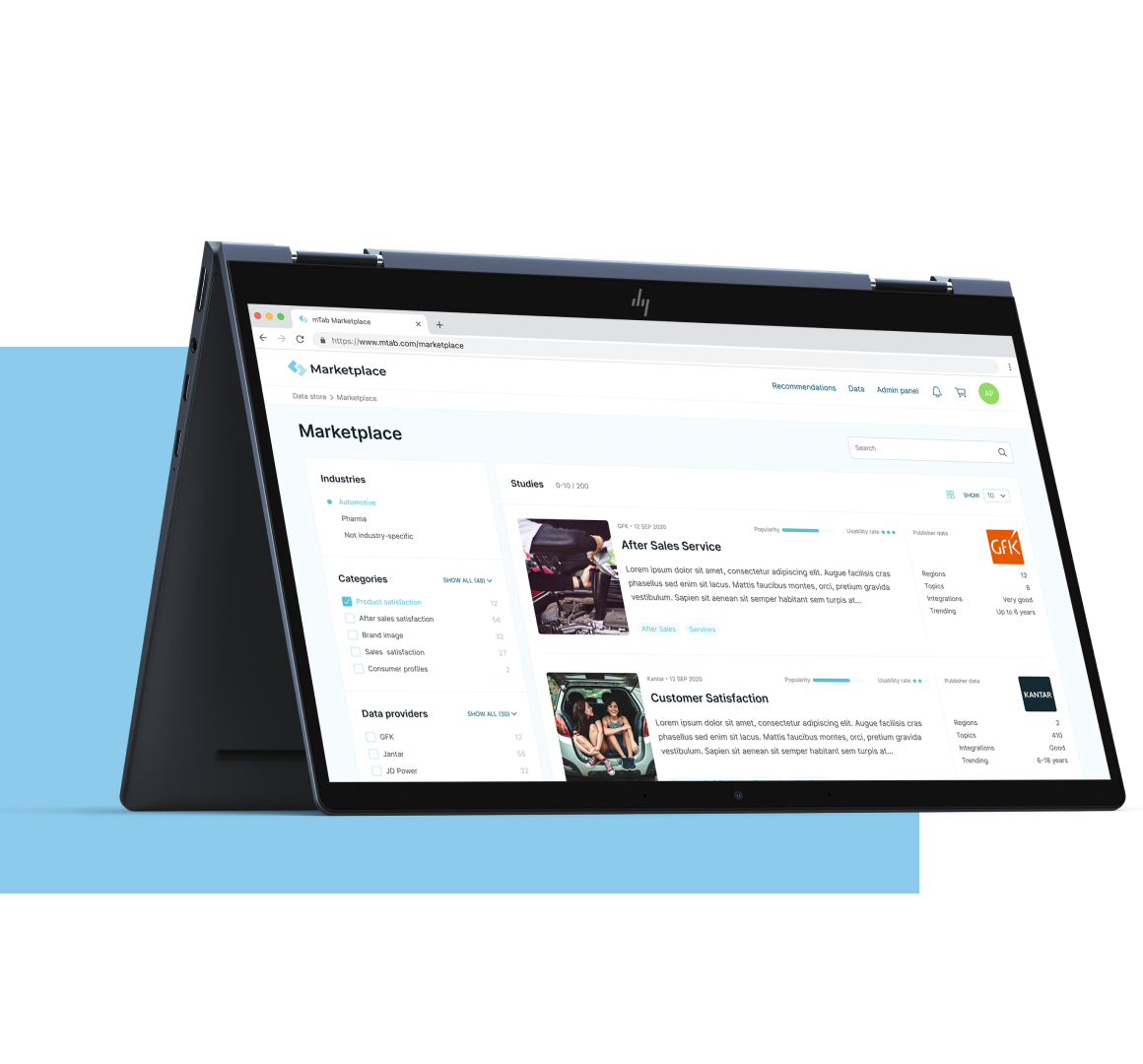
mTab Marketplace: data marketplace for market research
Playing

Data Management · Product Design · Product Discovery

mTab Marketplace: data marketplace for market research

Since 2020 we've built mTab Marketplace on Django, React and AWS, so clients buy market research studies without mTab installing each one by hand.

View project
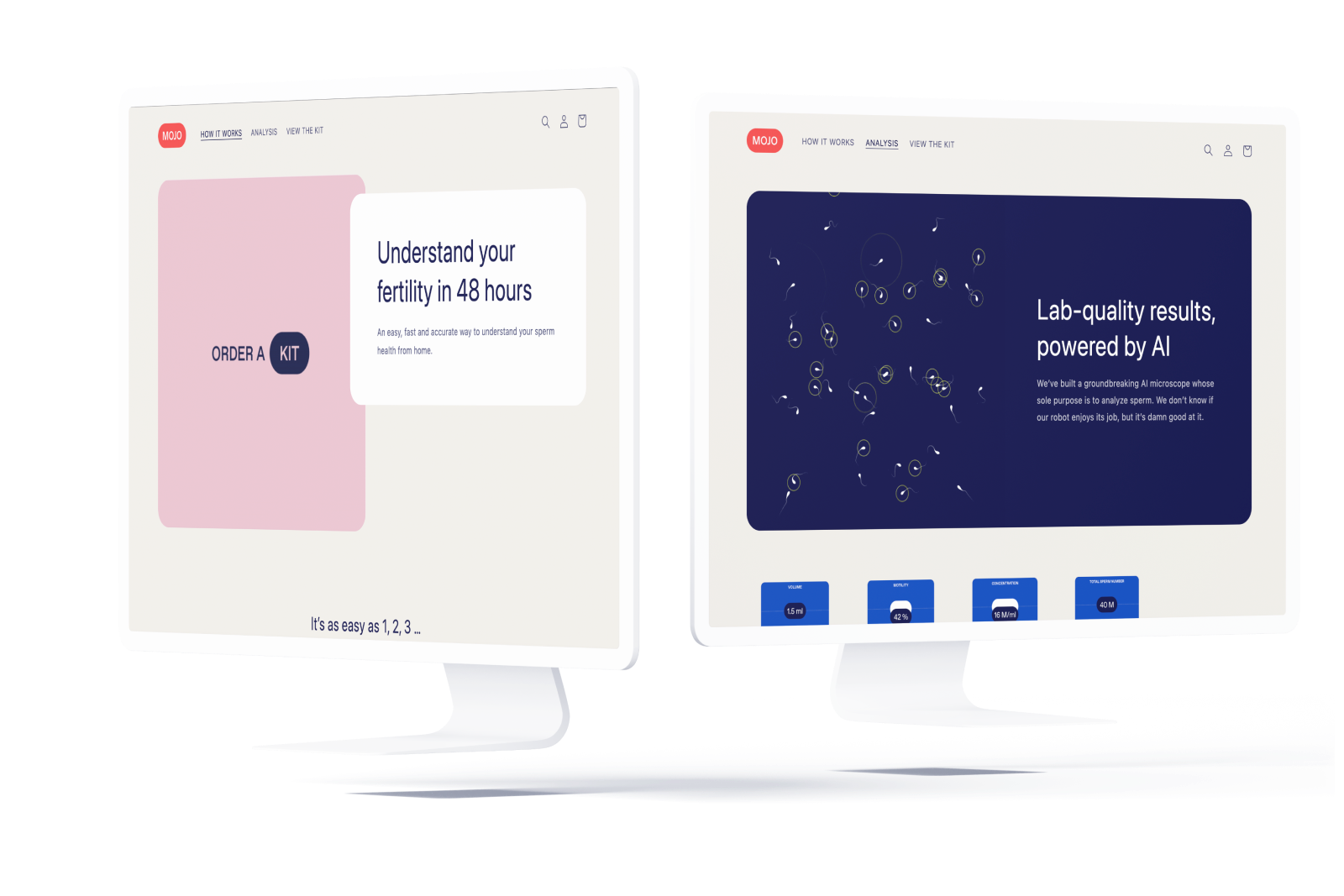
Mojo: fertility testing e-commerce store for UK and Sweden
Playing

Health · Web Development

Mojo: fertility testing e-commerce store for UK and Sweden

We built Mojo's online store for at-home semen testing in 5 months: kit sales, courier logistics in two countries and lab results in one website.

View project
12Questions we get

What teams ask us about Temporal

Straight answers from the engineers who build with it. Missing yours?

Ask an engineer

7 questions

Durable execution means your workflow's progress is recorded step by step, so if a worker crashes or a deploy restarts it, the workflow continues from the last completed step instead of starting over. Temporal does this by storing an event history and replaying your deterministic workflow code against it. Side effects run in activities, which are retried by policy and never re-run during replay.

Agent runs are long, make many unreliable LLM and tool calls, and often wait on humans. Running the agent loop as a Temporal workflow, with each model and tool call as an activity, gives you automatic retries, resumable state, human-in-the-loop waits and a full history of every step. Replit, Lindy, Emergent and Retool run production agents this way, and Temporal's OpenAI Agents SDK integration for Python has been GA since March 2026.

Celery and BullMQ are task queues: good for independent background jobs, but multi-step state, compensation and long waits are left to you. Temporal is the better fit when a process spans several steps or services and must finish correctly, such as payments, onboarding or agent runs. Lindy moved from BullMQ and Vinted from Sidekiq to Temporal for that reason.

Temporal suits complex, long-running and high-volume workflows, with SDKs in seven languages and either self-hosting or Temporal Cloud. Inngest calls your functions over HTTPS, which suits event-driven work in serverless TypeScript apps. Restate pairs durable steps with per-key state for low-latency services. Pick based on where your code runs and how long and complex your workflows are.

Temporal's docs recommend Worker Versioning, which went GA in May 2026, as the default. Pinned workflows finish on the build they started on, while Auto-Upgrade workflows move to new builds and need patching to stay replay-safe. Either way, run replay tests against production histories in CI before releasing workers.

The Temporal server is MIT licensed, and companies like Instacart and Coinbase self-host it, but you then run the persistence layer, upgrades and scaling yourself. Temporal Cloud is billed per action, starting at $50 per million beyond plan allocations, and offers multi-region replication and private connectivity. Many teams, such as Descript, prototype self-hosted and move to Cloud to stop operating the cluster.

A workflow execution's event history is capped at 51,200 events or 50 MB, with warnings at 10,240 events or 10 MB, and a single request payload is limited to 2 MB. On Temporal Cloud, namespaces start at 500 actions per second by default and retention is 1 to 90 days. Use Continue-As-New for long-running loops and external storage for large payloads.

13Sources

Temporal glossary and sources

Reviewed by our engineers. Last updated 16 November 2026.

Durable execution
Running code so that its progress is persisted and it resumes from the last completed step after any failure.
Workflow
A deterministic function that orchestrates activities, timers and messages, and whose state is rebuilt by replaying its history.
Activity
A normal function that performs side effects, such as API calls, and is retried according to its retry policy.
Event History
The append-only log of everything that happened in a workflow execution, capped at 51,200 events or 50 MB.
Worker
A process you run that polls a task queue and executes workflow and activity code.
Task queue
A named queue the Temporal Service uses to route tasks to workers that can run them.
Signal and Update
Messages sent into a running workflow; signals are fire-and-forget and updates return a result to the caller.
Continue-As-New
Closing a workflow run and starting a fresh one with the same Workflow ID to reset history size.
Worker Versioning
Routing workflows to specific worker builds so old and new code run side by side during deploys.
Nexus
A Temporal feature that lets workflows in one namespace call operations exposed by another team's namespace.

Sources

  1. [1]Temporal docs: Temporal Cloud limitsdocs.temporal.io ↗
  2. [2]Temporal docs: Worker Versioningdocs.temporal.io ↗
  3. [3]Temporal docs: Workflows and determinismdocs.temporal.io ↗
  4. [4]Temporal raises $550M at a $12.55B valuationtemporal.io ↗
  5. [5]Temporal raises $300M Series D at a $5B valuationtemporal.io ↗
  6. [6]Announcing new Temporal capabilities from Replay 2026temporal.io ↗
  7. [7]Announcing new Temporal capabilities from Replay 2025temporal.io ↗
  8. [8]Temporal and OpenAI Agents SDK integrationtemporal.io ↗
→Keep exploring

Built alongside it

  • Related hubNode.js DevelopmentProduction Node.js APIs and real-time backends with senior ownership only.
  • Related hubPython & Django DevelopmentMulti-tenant SaaS on Python and Django. Same stack as our open-source boilerplate.
  • Related hubAWS DevelopmentSaaS infrastructure on AWS in CDK or Terraform: Fargate, Lambda, Aurora, Bedrock and SOC 2-ready accounts.
  • Related hubMulti-Agent SystemsMulti-agent systems: orchestrator-worker designs, LangGraph, agent SDKs, A2A, cost control.

Longer reads

  • Scaling AI Features in SaaS With Async Pipelines and QueuesPractical patterns for scaling AI features in SaaS using async pipelines, queues, and background jobs, built on a boilerplate foundation with clear tradeoffs.
  • Agentic AI: Ship Real Workflows With Guardrails That Hold UpA practical guide to agentic AI in production: boundaries, tool permissions, approval gates, failure modes, rollout stages, KPIs, and templates to ship safely.
  • Modernize Legacy Systems Without Breaking the BusinessA practical legacy modernization strategy: strangler fig, refactor vs rewrite, data migration and cutover planning, plus zero downtime patterns and KPI targets.

How we deliver it

  • SaaS Development
  • Hybrid Teams
  • Agentic SDLC
  • End-to-end Software Development

Durable execution

Make critical workflows finish

Durable workflows and AI agents on Temporal, built by senior engineers.

Apptension site footer

Taking new projects

Have a product to build, fix or scale?

Apptension is a senior-only software development company headquartered in Poznań, Poland. Since 2012 our engineers have shipped 360+ AI and SaaS products for startups, scale-ups and enterprises across the US, UK and EU: agentic MVPs, RAG and voice AI systems, multi-tenant SaaS and legacy modernization.

Projects shipped
360+
Founded
2012
Senior engineers
30+
Client CSAT
100%

Send a few lines about your product. A person from our team replies within one business day.

Start a projectScope it in Scope Studio
  • Emailcontact@apptension.com
  • Phone+48 533 352 052Poznań, Poland

  • Agentic MVP developmentNew
  • Agentic SDLC implementation
  • Product & SaaS development
  • Legacy modernization
  • Generative AI development
  • SaaS development company
  • Vibe-coded prototype to production
  • End-to-end software development
  • Senior engineering team extension
  • Product consulting & discovery
  • Tech due diligence for investors
  • All services

  • LLM application engineering
  • RAG & retrieval engineering
  • Voice AI agent development
  • MCP server development
  • LangGraph & LangChain agents
  • AI agent evaluation & observability
  • Node.js development company
  • Python & Django development
  • React & Next.js development
  • React Native app development
  • All expertise

  • Open-source SaaS Boilerplate
  • SaaS P&L model template
  • Walkthrough Studio
  • Agentic SDLC playbook
  • AI SDLC maturity assessment
  • Agentic SDLC ROI calculator
  • Founder resources
  • Events & exec dinners
  • Open source
  • Builder's Toolkit

  • Boutique vs large software house
  • Build vs buy vs partner
  • How to choose an AI & RAG partner
  • Team augmentation without chaos
  • Django vs Node.js for SaaS
  • React Native vs Flutter
  • AI in regulated industries
  • All guides

  • About Apptension
  • Case studies
  • Careers
  • Blog
  • Tech Radar
  • Agentic SDLC hub
  • Contact

Senior AI engineers shipping enterprise-grade AI and SaaS with startup speed.

Headquarters

Apptension sp. z o.o.23 Lutego 26
61-743 Poznań, Poland (opens Google Maps)

VAT-ID PL7831720203 · REGON 360404804
KRS 0000534235

Follow Apptension

Client reviews on Clutch

© 2012–2026 Apptension sp. z o.o. All rights reserved.

Privacy policySitemapllms.txt