Services
About
Portfolio
Careers
Blog
Get in touch
All technology hubs

Stack hub/Reviewed 16 November 2026/17 min read

React Native Development

React Native apps with native-feel performance, shared TypeScript logic, and clear ownership. We deliver greenfield apps, brownfield migrations, and ongoing Hybrid Team capacity. Pair with Node.js or Python backends when you want one senior delivery partner across mobile and API.

Short answer

One React Native codebase only wins when release ownership matches native quality bars. We ship iOS and Android with seniors who own store readiness, crash budgets, and the path past demo day. Our React Native app for LESS_ reached #1 among shopping apps on the Polish App Store within three days of launch.

Clue 0121.4Mweekly npm downloads of react-native

Shake for the next clue

Source: api.npmjs.org ↗
1 / 4
React Native in numbers
21.4M weekly npm downloads of react-native (source: api.npmjs.org)
16.8M weekly npm downloads of expo (source: api.npmjs.org)
~83% of Expo SDK 54 projects on EAS Build used the New Architecture (source: docs.expo.dev)
~75% estimated reduction in OTA download size with Hermes bytecode diffing (source: expo.dev)

Your route through this hub

CoversReact NativeExpoTypeScriptReact NavigationNative modulesCI/CDApp StorePlay Console

  1. Stage 1 · Understand

    Is it right for our product?

    • 01What it isThe plain-words version
    • 02Where it pays off6 proven patterns
    • 03How it fits7 steps, one request
    • 04How it got here8 milestones
  2. Stage 2 · Choose

    What would we build it with?

    • 05Toolkit18 tools mapped
    • 06Who runs it12 teams in production
    • 07Alternativesvs 3 options
  3. Stage 3 · Ship

    How do we go live without surprises?

    • 08Readiness check19 checks, scored
    • 09What breaks6 mistakes and fixes
  4. Stage 4 · Decide

    What would you do in our place?

    • 10Should you use it?Our verdict, scope and rollout
    • 11What we shipped3 case studies
    • 12Questions we get14 straight answers
    • 13Sources14 cited, 10 terms

__> Teams we have built for

React Native
01What it is02Where it pays off03How it fits04How it got here05Toolkit06Who runs it07Alternatives08Readiness check09What breaks10Should you use it?11What we shipped12Questions we get13Sources
01What it is

What is React Native?

React Native is an open-source framework for building native iOS and Android apps with React and TypeScript, rendering real platform views rather than a WebView. Expo is the recommended framework on top of it, adding file-based routing (Expo Router), a native module SDK and cloud build, submit and over-the-air update services (EAS).

Why teams adopt it

Since React Native 0.82 the New Architecture is the only architecture, and three consecutive releases (0.83, 0.86, 0.88) shipped without user-facing breaking changes, so upgrades are more predictable than in earlier years. One TypeScript team can ship iOS, Android and often web from shared code: Mollie reports about 15% overhead to build a feature for all three, against an estimated 300% for fully native. React and React Native are now governed by the React Foundation, with Meta, Microsoft, Amazon, Expo, Callstack and Software Mansion among its members.

How it works

  1. 1

    Write components in React

    Screens are React components using primitives like View, Text and Pressable, styled with a Flexbox layout engine (Yoga).

  2. 2

    Run JavaScript on Hermes

    Code is compiled to Hermes bytecode at build time and executed by the Hermes engine, which is Hermes V1 by default since React Native 0.84.

  3. 3

    Render natively through Fabric

    The New Architecture's Fabric renderer turns the React tree into real UIKit and Android views, with synchronous layout when needed.

  4. 4

    Call platform APIs through JSI

    TurboModules and Expo Modules expose Swift, Kotlin and C++ code to JavaScript directly over JSI, without the old asynchronous bridge.

  5. 5

    Ship binaries and OTA updates

    EAS Build produces signed store binaries, and EAS Update delivers new JavaScript and assets to builds with a matching runtime version without a store review.

02Where it pays off

Where React Native pays off

The jobs it does best in real products: the problem you would have, how we would build it, and who already runs it that way.

Web team ships its first mobile app

Problemstep 1
A React web team needs iOS and Android without hiring two native teams.
Patternstep 2
Start on Expo with Expo Router and EAS, reuse TypeScript types, API clients and validation from the web monorepo, and add native code only through Expo Modules.
In the wildstep 3
Partiful; incident.io

Hotfixes without store review

Problemstep 1
A critical bug in a core flow cannot wait days for App Store review.
Patternstep 2
Ship JavaScript and asset fixes with EAS Update on a production channel tied to the build's runtime version, and roll back by repointing the channel.
In the wildstep 3
MTA ships OTA fixes in under 90 seconds

Brownfield app moved to Expo

Problemstep 1
A bare React Native app has manual Xcode releases and slow cycles.
Patternstep 2
Adopt Expo modules and Continuous Native Generation incrementally, move signing and builds to EAS triggered from CI, and add nightly end-to-end runs.
In the wildstep 3
MyWheels went from three-week to weekly releases

One codebase for web, iOS and Android

Problemstep 1
Product parity across three platforms drifts when built separately.
Patternstep 2
Build universal screens with React Native Web and Expo Router, isolating platform-specific files with .ios, .android and .web extensions.
In the wildstep 3
Bluesky social-app

Payments and hardware integrations

Problemstep 1
Fintech apps need platform APIs such as NFC payments that no library covers.
Patternstep 2
Write a thin Swift or Kotlin module with the Expo Modules API and keep the rest of the app in shared TypeScript.
In the wildstep 3
Mollie Tap to Pay module

Performance-critical feeds

Problemstep 1
Long chat or media lists drop frames on low-end Android devices.
Patternstep 2
Virtualize and recycle list items, lazy-load rarely used UI, and move heavy animation to the UI thread with Reanimated.
In the wildstep 3
Discord chat list, up to 60% fewer slow frames
03How it fits

How a React Native app runs on a device

One real request, step by step: which part of the system handles it, and why that part is there.

01 Release02 Delivery03 App code04 JS runtime05 Native
Step 1/7·Request
Hover a part for detail
04How it got here

Is React Native a safe bet?

The releases and decisions that matter when you are betting a product on it, in order.

  1. 2024Oct

    New Architecture on by default

    React Native 0.76 enabled the New Architecture (Fabric, TurboModules, JSI) by default and introduced React Native DevTools.

    reactnative.dev
  2. 2025Oct

    New Architecture becomes the only option

    React Native 0.82 ignores flags that disable the New Architecture and added opt-in Hermes V1.

    reactnative.dev
  3. 2025Oct

    React Compiler 1.0, on by default in Expo

    React Compiler reached 1.0 and is enabled by default in new Expo SDK 54+ projects.

    react.dev
  4. 2026Feb

    Hermes V1 by default

    React Native 0.84 made Hermes V1 the default engine and turned on precompiled iOS binaries and legacy-code removal on iOS.

    reactnative.dev
  5. 2026Feb

    React Foundation and Meta Quest

    React Native moved to the React Foundation under the Linux Foundation, and official Meta Quest support was documented with Expo tooling.

    react.dev
  6. 2026Feb

    Expo SDK 55 drops the Legacy Architecture

    Expo SDK 55 (React Native 0.83) removed the newArchEnabled option and introduced Hermes bytecode diffing for updates.

    expo.dev
  7. 2026Sep

    Shopify returns to native

    Shopify announced it is rebuilding Shop, Shopify, Point of Sale and Inbox in Swift and Kotlin, citing AI coding agents lowering the cost of two codebases.

    shopify.engineering
  8. 2026Oct

    React Native 0.88 and Expo SDK 58

    React Native 0.88 shipped React 19.3, web-style event dispatching and iOS SceneDelegate support, and Expo SDK 58 adopted it with iOS 27 support.

    reactnative.dev
05Toolkit

What you would build React Native with

The libraries and services we would actually put in your stack, and when each one earns its place. Filter by layer or language.

Language
  • Framework · TypeScript

    React Native

    The core framework; 0.88 is current, New Architecture only, Hermes V1 by default.

    React Foundation (Meta and community)127k
  • Framework · TypeScript

    Expo

    Recommended framework and SDK for React Native; SDK 58 targets React Native 0.88 and covers most device APIs without writing native code.

    Expo54k
  • Framework · TypeScript

    Expo Router

    File-based routing for native and web with deep links, native tabs, data loaders and server rendering on web.

    Expo
  • Hosting · TypeScript

    EAS CLI

    Command line for EAS Build, Submit, Update and Workflows: cloud builds, store submission and OTA updates without managing signing by hand.

    Expo1.4k
  • Tooling · C++

    Hermes

    JavaScript engine optimized for React Native startup and memory; V1 is the default since 0.84.

    Meta11k
  • Framework · TypeScript

    React Navigation

    Navigation library underneath Expo Router; use directly when you need imperative, non-file-based navigation.

    community25k
  • UI · TypeScript

    Reanimated

    UI-thread animations via worklets plus CSS-style animations and transitions in v4, which requires the New Architecture.

    Software Mansion11k
  • UI · TypeScript

    Gesture Handler

    Native gesture recognition for swipes, pans and pinches that pairs with Reanimated.

    Software Mansion6.8k
  • UI · TypeScript

    React Native Screens

    Native screen containers used by React Navigation and Expo Router for platform-correct transitions and memory use.

    Software Mansion3.8k
06Who runs it

Who already bets on React Native

Companies running it in production, and what for. Every entry links to their own write-up, so you can check our homework.

  • Partiful ships iOS, Android and web with Expo Router for universal event links plus EAS Build, Submit and Update, and says it has not opened Xcode once.

    expo.dev
  • Bluesky's open-source app is a single React Native and TypeScript codebase for web, iOS and Android, on Expo SDK 58 and React Native 0.88 as of November 2026.

    github.com
  • Phantom's wallet app shares a monorepo with its browser extension, uses custom Expo Modules, and cut about 15 minutes from 60-minute Maestro runs by pushing builds-under-test with EAS Update.

    expo.dev
  • incident.io's product engineers built its on-call app with Expo, Continuous Native Generation and a custom native module that bypasses Do Not Disturb on Android; native work is about 2% of effort.

    expo.dev
  • MyWheels moved its brownfield React Native CLI app to Expo with EAS wired into GitLab CI and went from a three-week to a weekly release cycle.

    expo.dev
  • Mollie's app serves over 250,000 users from a shared monorepo with a cross-platform component library and a custom Expo module for Apple Tap to Pay.

    expo.dev
  • Discord's iOS and Android clients are React Native; its 2025 performance work cut slow chat frames by up to 60% using list virtualization and view recycling.

    discord.com
  • MTA builds TrainTime and the Subway & Bus app with Expo and ships EAS Update hotfixes in under 90 seconds from the first user report.

    expo.dev
  • Microsoft uses React Native in Office, Outlook, Teams and Xbox Game Pass, and extends it to desktop with React Native for Windows and macOS.

    reactnative.dev
  • Amazon has used React Native since 2016 for features in Amazon Shopping, Alexa and Photos, and on Kindle e-readers.

    reactnative.dev
  • Meta uses React Native across Facebook Marketplace, Ads Manager, Messenger Desktop and the Meta Quest app.

    reactnative.dev
  • Wix runs its whole app suite on one of the largest React Native codebases and maintains Detox.

    reactnative.dev
Startup · Consumer events01 / 12

Partiful

Partiful ships iOS, Android and web with Expo Router for universal event links plus EAS Build, Submit and Update, and says it has not opened Xcode once.

Source: expo.dev
07Alternatives

React Native with Expo vs Flutter vs fully native vs Kotlin Multiplatform

No option wins every row. Find the row that matters most for your product and the choice usually makes itself.

React Native with Expo vs Flutter vs fully native vs Kotlin Multiplatform
CriterionReact Native + ExpoFlutterNative (Swift + Kotlin)Kotlin Multiplatform
LanguageTypeScript and ReactDartSwift and KotlinKotlin, with Swift for iOS UI if not using Compose Multiplatform
UI renderingReal platform views via FabricOwn rendering engine draws every pixelPlatform UI frameworks directlyNative UI per platform or Compose Multiplatform
Code sharing with webHigh: shared React, types and logic; React Native WebLimited (Flutter web)NoneLogic only, via Kotlin/JS or Wasm
OTA updatesFirst-party via EAS UpdateThird-party (Shorebird)Not available for codeNot available for code
New platform API accessSame day via Expo Modules or TurboModules, libraries may lagVia platform channels, plugins may lagImmediateImmediate in platform code
Team modelOne TypeScript team across web and mobileOne Dart team for mobileTwo platform teamsShared Kotlin core plus platform UI skills
Best fitProduct apps from React teams, frequent releasesBrand-heavy custom UI across platformsPlatform-deep apps, AR, heavy mediaTeams with Android/Kotlin depth sharing business logic
React Native + Expo vs
  • Language

    React Native + Expo

    TypeScript and React

    Flutter

    Dart

  • UI rendering

    React Native + Expo

    Real platform views via Fabric

    Flutter

    Own rendering engine draws every pixel

  • Code sharing with web

    React Native + Expo

    High: shared React, types and logic; React Native Web

    Flutter

    Limited (Flutter web)

  • OTA updates

    React Native + Expo

    First-party via EAS Update

    Flutter

    Third-party (Shorebird)

  • New platform API access

    React Native + Expo

    Same day via Expo Modules or TurboModules, libraries may lag

    Flutter

    Via platform channels, plugins may lag

  • Team model

    React Native + Expo

    One TypeScript team across web and mobile

    Flutter

    One Dart team for mobile

  • Best fit

    React Native + Expo

    Product apps from React teams, frequent releases

    Flutter

    Brand-heavy custom UI across platforms

08Readiness check

Is your React Native setup ready for real traffic?

The checks teams that run it well have in place before launch. Tick what you already have and see where you stand. Your answers stay on this device.

0%

0 / 19

Tick what you already have

  • Architecture and upgrades0/4
  • Releases and OTA0/4
  • Performance0/4
  • Security0/4
  • Testing and observability0/3
Architecture and upgrades

01 · Architecture and upgrades

Releases and OTA

02 · Releases and OTA

Performance

03 · Performance

Security

04 · Security

Testing and observability

05 · Testing and observability

09What breaks

Where React Native projects go wrong

What we find most often when we audit or inherit a codebase, and how we fix it.

  • !

    Unmigrated native dependencies

    Fix · Legacy components running through the interop layer cause layout, gesture and even deadlock bugs, as Software Mansion found in Discord's iOS migration; replace or migrate them to Fabric before relying on them.

  • !

    OTA updates against the wrong binary

    Fix · Use the fingerprint runtime version policy so an update that needs new native code never reaches an older build.

  • !

    Testing only on high-end devices

    Fix · Profile release builds on low-end Android hardware; Discord's biggest wins came from list virtualization and recycling tuned for those devices.

  • !

    Betting on libraries with uncertain stewardship

    Fix · Check maintainer and sponsor status before adopting; Shopify's 2026 move back to native put FlashList, Skia and Restyle into transition.

  • !

    Skipping upgrades for a year

    Fix · React Native supports only the latest few minors; schedule an upgrade every SDK cycle while releases are free of breaking changes.

  • !

    Assuming cross-platform is always cheaper

    Fix · Model the cost against your team: Shopify concluded in 2026 that AI agents made two native codebases viable for its scale, while Mollie still reports about 15% overhead for three platforms with Expo.

Minimal Expo Router screen with a Reanimated press effect and an OTA update check

>_ $
1
2
3
4
5
6
7
8
9
10
11
12
13
14
15
16
17
18
19
20
21
22
23
24
25
26
27
28
29
30
31
32
33
34
35
36
37
38
39
40
41
42
43
44
45
46
47
48
49
50
51
52
53
54
55
56
57
58
59
60
61
62
63
64
65
66
67
68
// app/index.tsx  (Expo SDK 58, Expo Router, Reanimated 4, expo-updates)
import {
  Link,
  Stack
} from 'expo-router';
import {
  Pressable,
  Text,
  View
} from 'react-native';
import Animated, {
  useAnimatedStyle,
  useSharedValue,
  withSpring
} from 'react-native-reanimated';
import * as Updates from 'expo-updates';

export default function Home() {
  const scale = useSharedValue(1);
  const style = useAnimatedStyle(() => ({
    transform: [{
      scale: scale.value
    }]
  }));

  async function applyUpdate() {
    scale.value = withSpring(0.95, {}, () => {
      scale.value = withSpring(1);
    });
    const {
      isAvailable
    } = await Updates
  .checkForUpdateAsync(); // OTA check (release builds only)
    if (isAvailable) {
      await Updates.fetchUpdateAsync();
      await Updates.reloadAsync();
    }
  }
  return ( <
    View style = {
      {
        flex: 1,
        alignItems: 'center',
        justifyContent: 'center',
        gap: 16
      }
    } >
    <
    Stack.Screen options = {
      {
        title: 'Home'
      }
    }
    /> <
    Animated.View style = {
      style
    } >
    <
    Pressable onPress = {
      applyUpdate
    } > < Text > Check
    for update < /Text></Pressable >
    <
    /Animated.View> <
    Link href = "/settings" > Settings < /Link> <
    /View>
  );
}
10Should you use it?

When React Native is the right call, and how we ship it

Our engineers' view after building on it: where it earns its place, where something simpler wins, and the rollout we run.

Strong fit

  • Cross-platform product apps where shared business logic matters
  • Teams already invested in React and TypeScript
  • MVPs that must reach both stores without two native teams
  • Brownfield RN apps that need performance, security, or upgrade work

Weak fit

  • Games or heavy AR/graphics where native is clearly required
  • Apps that only need a thin WebView wrapper
  • Staffing models that hide junior mobile engineers behind senior sales

What we deliver

  • 01

    Greenfield React Native apps

    Expo or bare workflow, navigation, auth, offline patterns, and store submission discipline.

  • 02

    Brownfield hardening

    Upgrade paths, performance profiling, security review, and native module bridges when needed.

  • 03

    Shared TypeScript ecosystems

    Align mobile with React web and Node backends so types and API clients stay coherent.

  • 04

    Compliance-aware mobile

    Secure storage, permission hygiene, and delivery patterns suited to regulated product requirements.

How we deliver React Native work

How we would roll it out

Every phase ends at a gate. Nothing moves on until it passes, so you always know what you have and what is next.

    010203Live
  1. 01

    Phase 1

    Fit gate: RN vs native

    Confirm React Native is the right call. Lock platforms, offline needs, and native module risk.

    You walk away with

    A written fit call on React Native vs native, with platforms, offline needs and native module risks listed.

    Gate Every native module risk has a plan

  2. 02

    Phase 2

    Ship a store-ready slice

    One critical journey on both platforms with CI, crash reporting, and release notes.

    You walk away with

    One critical journey live on iOS and Android with CI, crash reporting, an OTA channel and release notes.

    Gate Store review passed on both platforms

  3. 03

    Phase 3

    Scale and maintain

    Expand features, harden security and performance, and leave a team that can own the app.

    You walk away with

    More features, hardened security and performance, and release runbooks your team runs without us.

    Live when Your team ships a release on its own

Related projects

Projects where we did this work

Explore our portfolio
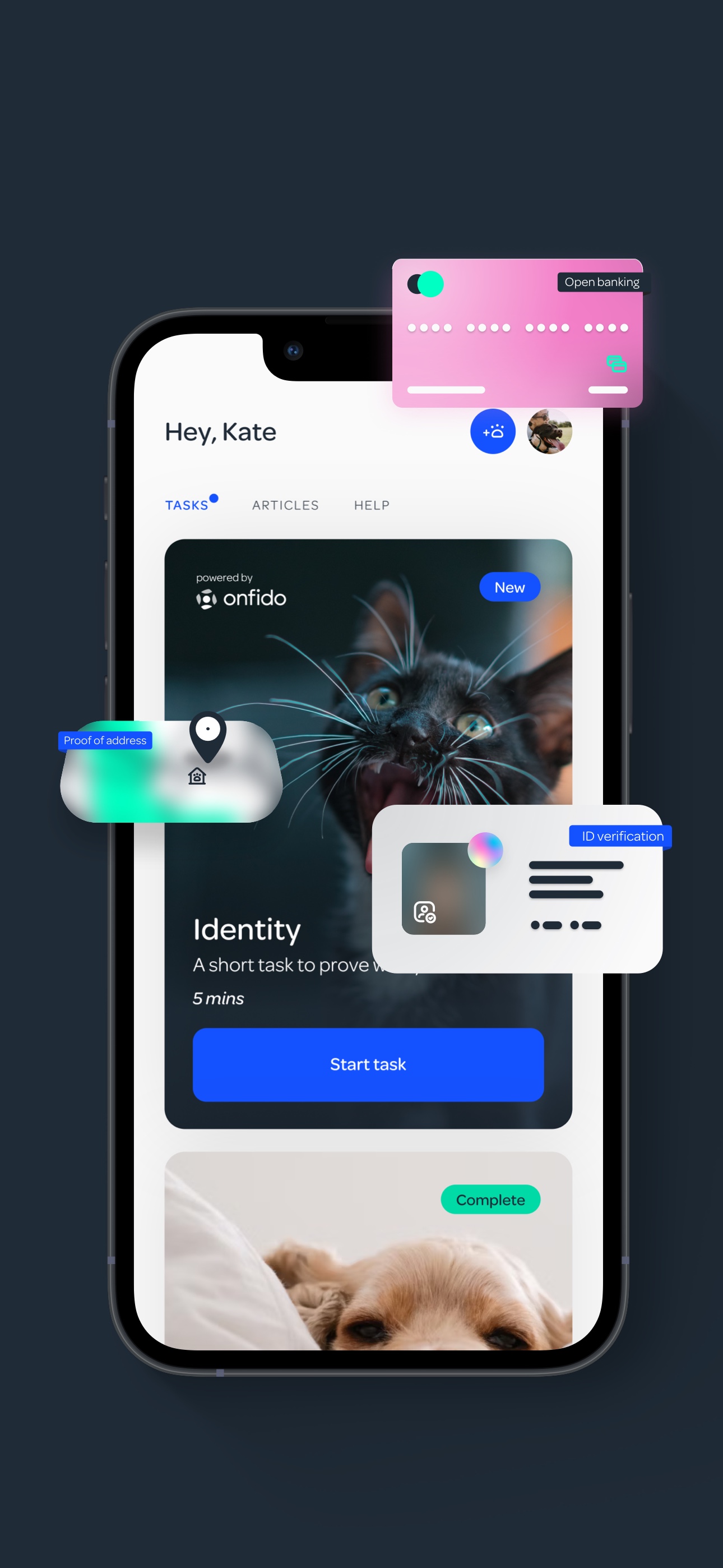
PetProov: identity verification app for pet sales
Playing

Pet Care · Backend Development · Mobile Development

PetProov: identity verification app for pet sales

PetProov verifies breeders, buyers and adopters with Onfido and shows a risk score for each party. We built the Expo app and Firebase backend in 6 months.

View project
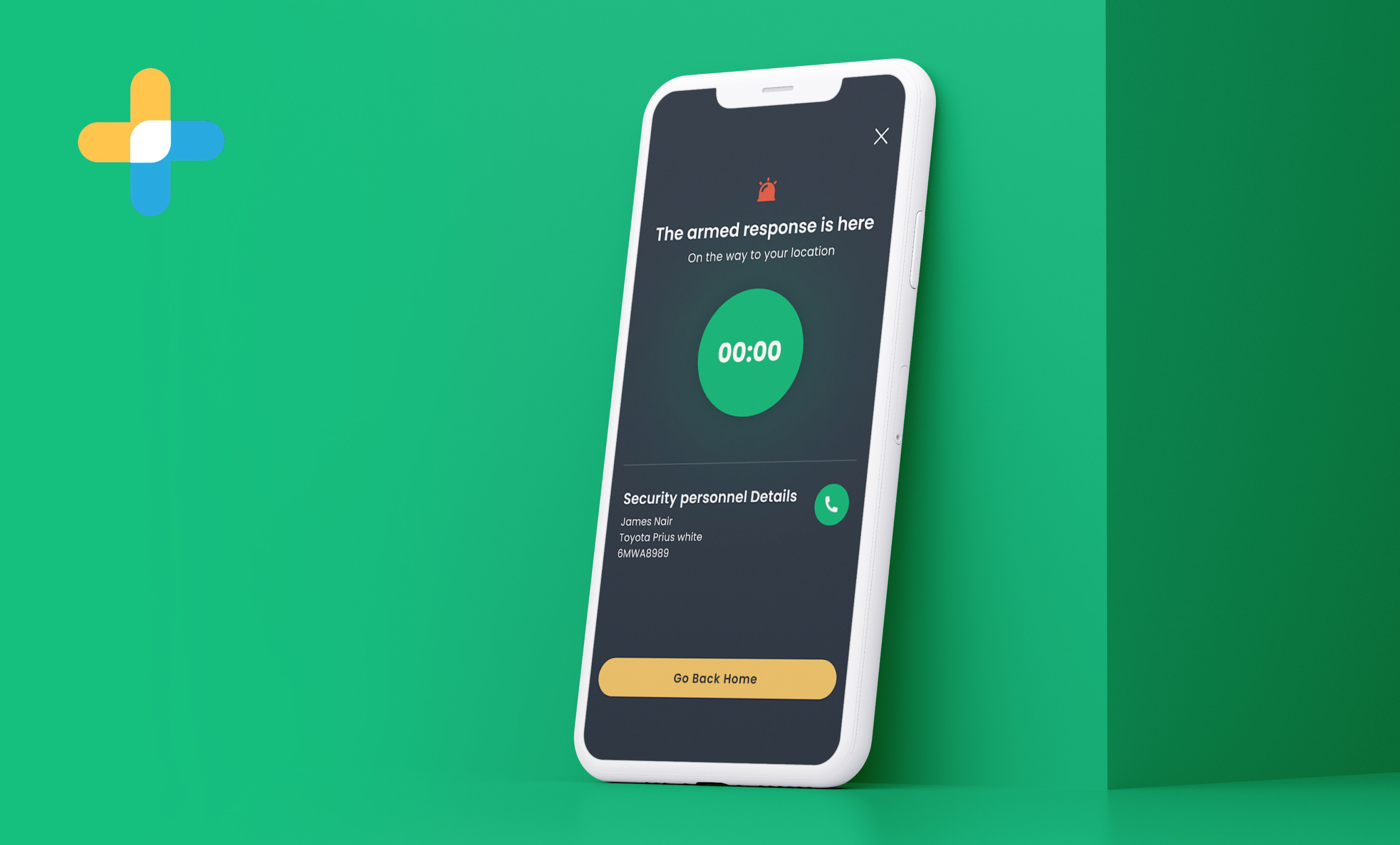
Home+ App: home services marketplace for South Africa
Playing

Data Management · Mobile Development · Web Development

Home+ App: home services marketplace for South Africa

A React Native marketplace for home services, prepaid electricity and home security in South Africa. 15k downloads in its first month on Google Play.

View project
LESS_: second-hand fashion app that hit #1 in Poland
Playing

Retail · Mobile Development · Product Design

LESS_: second-hand fashion app that hit #1 in Poland

We re-scoped and built the LESS_ second-hand fashion app in 3 months. Three days after launch it was the #1 shopping app on Poland’s App Store.

View project
12Questions we get

What teams ask us about React Native

Straight answers from the engineers who build with it. Missing yours?

Ask an engineer

14 questions

Yes. We ship React Native apps with senior engineers only, including greenfield builds and brownfield hardening. 360+ projects since 2012.

We choose based on native module needs and release constraints. Expo accelerates many product apps. Bare workflow wins when you need deep native control.

When the product depends on advanced graphics, unusual hardware, or platform-only features where a shared codebase would slow you down. We say so before you hire us for RN.

Yes. Hybrid Teams embed, upgrade dependencies, improve performance and security, and clear backlog without a rewrite-first default.

Yes. Node.js or Python/Django backends from the same senior team, or we integrate with your existing APIs.

When mobile is primary and your team is Dart-first, or you need a single UI toolkit without React web sharing. We will say so honestly.

Yes. Many product orgs want shared TypeScript and design language across web and mobile.

React Native 0.88, released on 19 October 2026, is the latest stable version and ships React 19.3. Expo SDK 58, released on 15 October 2026, upgrades to React Native 0.88 and adds iOS 27 support. The 0.85.x line became unsupported with the 0.88 release.

Yes, if you are on an old version, because there is no longer a choice. Since React Native 0.82 the New Architecture is always on and flags to disable it are ignored, and Expo SDK 55 and later cannot run the Legacy Architecture. The work is mostly auditing and updating native dependencies; Software Mansion's account of Discord's iOS migration shows most fixes were rendering, layout and stability issues.

OTA updates that change JavaScript and assets are widely used in store apps; EAS Update applies only to builds with a matching runtime version, and native code changes still need a new binary through review. Keep OTA updates to fixes and incremental changes that do not alter the app's core purpose, and follow each store's current guidelines.

Yes. The React Native team recommends using a framework such as Expo, and companies including Mollie, MTA, Phantom and incident.io run production apps on it. Custom native code is added through the Expo Modules API and config plugins, so Expo does not limit access to platform APIs.

In September 2026 Shopify announced it is rebuilding its apps in Swift and Kotlin, arguing that AI coding agents now handle enough implementation, porting and testing that maintaining two native codebases no longer costs what it did in 2020. Shopify also said React Native was the right choice for it in 2020. The decision reflects Shopify's scale and team; it does not change the platform's technical status.

Hermes V1 is the default JavaScript engine since React Native 0.84, and apps already on Hermes get it without configuration changes. The React Native team describes it as improving execution speed and memory use; on Expensify, an earlier opt-in test showed bundle load time gains of 3.2% on low-end Android and 9% on iOS.

Yes. Teams typically share TypeScript types, API clients, validation schemas and state logic in a monorepo, while UI stays platform-specific or uses React Native Web. Expo Router can also target web, and Bluesky ships web, iOS and Android from one React Native codebase.

13Sources

React Native glossary and sources

Reviewed by our engineers. Last updated 16 November 2026.

New Architecture
React Native's current internals (Fabric, TurboModules, JSI and Codegen), the only supported architecture since 0.82.
Fabric
The New Architecture renderer that turns React trees into native views with support for synchronous layout and concurrent React features.
TurboModules
Lazily loaded native modules called from JavaScript over JSI with type-safe interfaces generated by Codegen.
JSI
JavaScript Interface, a C++ API that lets JavaScript hold references to and call native objects directly.
Hermes
Meta's JavaScript engine for React Native that runs precompiled bytecode; Hermes V1 is the default since 0.84.
Expo Router
File-based router for React Native and web built on React Navigation, with automatic deep linking.
EAS
Expo Application Services: cloud Build, Submit, Update, Workflows and observability for React Native apps.
OTA update
An over-the-air update that replaces an installed app's JavaScript bundle and assets without a new store binary.
Runtime version
The identifier of a build's native layer that EAS Update uses to deliver only compatible updates.
Continuous Native Generation
Expo's approach of generating the ios and android folders from app config and config plugins instead of committing them.

Sources

  1. [1]React Native blog (release posts)reactnative.dev ↗
  2. [2]React Native 0.82: A New Erareactnative.dev ↗
  3. [3]React Native 0.84: Hermes V1 by Defaultreactnative.dev ↗
  4. [4]React Native 0.88reactnative.dev ↗
  5. [5]Expo SDK 55expo.dev ↗
  6. [6]Expo SDK 58expo.dev ↗
  7. [7]Expo New Architecture guidedocs.expo.dev ↗
  8. [8]How EAS Update worksdocs.expo.dev ↗
→Keep exploring

Built alongside it

Longer reads

  • How to Choose a Node.js, Python, React, or React Native PartnerScore Node.js, Python/Django, React/Next.js, and React Native partners on senior ownership, stack proof, AI delivery governance, compliance, trial sprints, and handover. Senior engineers only.
  • React Native vs Flutter for SaaS and Product TeamsChoose React Native or Flutter with a clear decision table for SaaS and product teams: team skills, shared web stack, release ops, and when each stack is the wrong fit.
  • Senior-Only Boutique vs Large Software House vs Body ShopChoose a senior-only boutique, large software house, or body shop with a clear decision matrix: seniority, coordination cost, compliance readiness, and TCO for CTOs.
  • Engineering Leaders’ Guide to Rapid Team Augmentation Without ChaosA practical guide to team augmentation best practices: staff augmentation onboarding, ownership boundaries, quality gates, and agile rituals that ship fast without chaos.
  • Enterprise Vendor Due Diligence Checklist for Software and AIEnterprise-grade software vendor due diligence checklist for procurement, security, and GDPR vendor assessment. Includes evidence requests, SLAs, and clauses.

How we deliver it

  • Agentic MVP
  • Hybrid Teams
  • End-to-end Software Development
  • SaaS Development

Mobile delivery

One mobile team. Two stores.

React Native with release ownership that matches native quality bars.

Apptension site footer

Taking new projects

Have a product to build, fix or scale?

Apptension is a senior-only software development company headquartered in Poznań, Poland. Since 2012 our engineers have shipped 360+ AI and SaaS products for startups, scale-ups and enterprises across the US, UK and EU: agentic MVPs, RAG and voice AI systems, multi-tenant SaaS and legacy modernization.

Projects shipped
360+
Founded
2012
Senior engineers
30+
Client CSAT
100%

Send a few lines about your product. A person from our team replies within one business day.

Start a projectScope it in Scope Studio
  • Emailcontact@apptension.com
  • Phone+48 533 352 052Poznań, Poland

  • Agentic MVP developmentNew
  • Agentic SDLC implementation
  • Product & SaaS development
  • Legacy modernization
  • Generative AI development
  • SaaS development company
  • Vibe-coded prototype to production
  • End-to-end software development
  • Senior engineering team extension
  • Product consulting & discovery
  • Tech due diligence for investors
  • All services

  • LLM application engineering
  • RAG & retrieval engineering
  • Voice AI agent development
  • MCP server development
  • LangGraph & LangChain agents
  • AI agent evaluation & observability
  • Node.js development company
  • Python & Django development
  • React & Next.js development
  • React Native app development
  • All expertise

  • Open-source SaaS Boilerplate
  • SaaS P&L model template
  • Walkthrough Studio
  • Agentic SDLC playbook
  • AI SDLC maturity assessment
  • Agentic SDLC ROI calculator
  • Founder resources
  • Events & exec dinners
  • Open source
  • Builder's Toolkit

  • Boutique vs large software house
  • Build vs buy vs partner
  • How to choose an AI & RAG partner
  • Team augmentation without chaos
  • Django vs Node.js for SaaS
  • React Native vs Flutter
  • AI in regulated industries
  • All guides

  • About Apptension
  • Case studies
  • Careers
  • Blog
  • Tech Radar
  • Agentic SDLC hub
  • Contact

Senior AI engineers shipping enterprise-grade AI and SaaS with startup speed.

Headquarters

Apptension sp. z o.o.23 Lutego 26
61-743 Poznań, Poland (opens Google Maps)

VAT-ID PL7831720203 · REGON 360404804
KRS 0000534235

Follow Apptension

Client reviews on Clutch

© 2012–2026 Apptension sp. z o.o. All rights reserved.

Privacy policySitemapllms.txt
  • 01Services
  • 02Portfolio
  • 03About
  • 04Careers
  • 05Blog

Services

All services

New · AI-native delivery

Senior engineers with AI coding agents

Ship a production MVP in weeks, or install agents into the team you already have.

Agentic MVPNewA production MVP your customers can rely on. Validate in 1–2 weeks, launch in 4–8, own all of it.Explore
  • Agentic SDLCAI coding agents installed into your delivery process in two weeks, with guardrails and metrics.
Agentic SDLC hub
>_ProductScope StudioFrom an idea to a shareable PRD_> Open_> Open
Emailcontact@apptension.comCall+48 533 352 052

HQ in Poznań, Poland

Start a project