Introduction
If you are building a SaaS product, your database and backend platform decide how fast you can ship. Not in theory. In the first 4 to 12 weeks, it shows up as: how many features you can release, how often you fight auth rules, and how many hours disappear into glue code.
Supabase, Firebase, and Hasura all promise speed. They deliver it, but in different ways. And each one has a few sharp edges that only show up once you add roles, billing, audit logs, and a second environment.
In our PoC and MVP delivery work, we see the same pattern: teams pick a platform for week 1 speed, then pay for it in week 10 when they need data governance, migrations, or predictable local development.
What this article does:
- Compares Supabase vs Firebase vs Hasura using concrete build and ops concerns
- Calls out failure modes we have seen (and how to mitigate them)
- Gives you a decision process you can actually use
Insight: The best choice is the one that keeps your team shipping after the MVP, not the one that demos fastest on day one.
The lens we use: rapid now, sane later
When we evaluate backend platforms for rapid product development, we look at a few boring things that end up mattering:
- Can we model data cleanly without fighting the tool?
- Can we test and review access rules like code?
- Can we run the stack locally in a way that matches production?
- Can we evolve the schema without breaking everything?
- Can we add custom logic without turning the project into spaghetti?
If you are still pre product market fit, you can do things that do not scale. That is fine. But you still want to avoid choices that make the next phase slower.
What makes backend choices painful in SaaS
Most teams do not struggle with CRUD. They struggle with everything around it.
Common pain points we see when a SaaS grows past the demo:
- Authorization drift: rules spread across the client, server, and database
- Data shape churn: early JSON blobs turn into reporting requirements later
- Environment mismatch: local works, staging breaks, production is scary
- Vendor lock questions: not ideological, just practical when costs or limits show up
- Observability gaps: you cannot fix what you cannot see
Key Stat (hypothesis): In many MVPs, 20% to 30% of engineering time goes to auth, data access, and integration glue, not product features. Track it by tagging tickets and PRs by category.
The hidden requirements that show up after week 6
These are the requirements nobody writes down early, but they arrive anyway:
- Role based access with exceptions (admins, support, partners)
- Audit trail for sensitive actions
- Background jobs (emails, billing sync, data imports)
- Search that is not just “contains”
- Analytics and reporting that need stable schemas
If your platform makes these awkward, you will either:
- Build a second backend next to it, or
- Keep patching until the architecture is hard to reason about
Neither is fun.
A quick reality check from delivery work
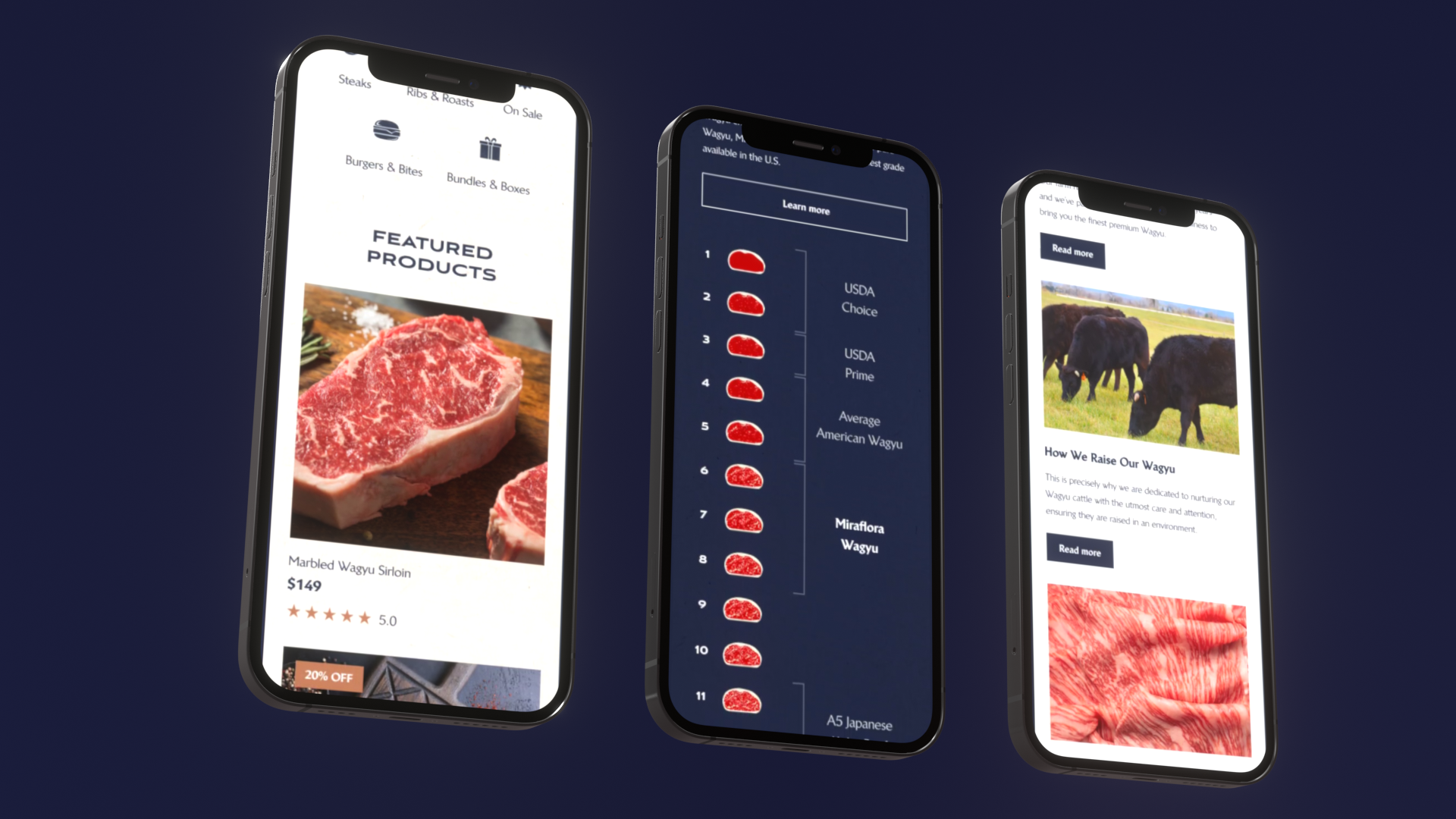
In time boxed builds, we often optimize for a working vertical slice. For example, Miraflora Wagyu shipped a premium Shopify experience in 4 weeks. That is a different problem than a multi tenant SaaS, but the lesson carries: speed comes from reducing unknowns and picking tools that match the shape of the product.
When the product is event heavy and scale oriented, like a virtual platform built under deadline pressure (Expo Dubai was delivered in 9 months and served 2 million visitors), the backend story is never just about the database. It is about caching, read patterns, permissions, and operational safety.
Example: Under tight timelines, the teams that move fastest are the ones that pick a backend approach that matches their data model and access rules from day one, even if it feels slightly slower to set up.
Start with access rules
Permissions before endpoints
Write roles and actions in plain language first. Then map them to RLS, rules, or Hasura permissions. This avoids rewrites later.
Keep schema changes routine
Migrations as a habit
If schema changes feel scary in week two, they will be impossible in week ten. Automate migrations and review them like code.
Measure the boring work
Time spent on glue code
Track how much time goes to auth debugging, data access fixes, and integration glue. That is where platform tradeoffs show up.
Supabase vs Firebase vs Hasura: what they are really good at
Here is the simplest mental model:
- Firebase is an app platform with a database. You move fast if you accept its way of doing things.
- Supabase is Postgres plus a set of backend primitives. You move fast if SQL fits your product.
- Hasura is an API layer over your database. You move fast if GraphQL and a strong schema are central.
You can build similar products with all three. The differences show up in how you handle data modeling, access control, and custom logic.
Insight: The platform that feels “easy” in week 1 is often the one that hides complexity. The question is where that complexity comes back later.
Supabase: Postgres first, with useful defaults
Supabase is the most straightforward if your team is comfortable with SQL and relational modeling.
What tends to work well:
- Relational data with joins, constraints, and reporting needs
- Row level security when you invest in doing it properly
- Migrations and schema evolution that look like normal Postgres work
- A clear path to custom logic via edge functions or a separate service
Where teams get hurt:
- Row level security can be misunderstood and misconfigured
- You can end up with business logic split between database policies, triggers, and app code
- If you treat it as “Firebase but with SQL,” you will fight it
Mitigations:
- Write RLS policies as if you will audit them later
- Create a small policy test suite (even if it is just SQL fixtures)
- Keep business logic in one place where possible, and document exceptions
Firebase: fastest path to a working app, with tradeoffs
Firebase is great when you want to ship a working product fast, especially with a client heavy architecture.
What tends to work well:
- Fast prototypes with auth, storage, and hosting in one place
- Mobile first apps that benefit from the ecosystem
- Simple data access patterns where you can live without joins
Where teams get hurt:
- Data modeling becomes awkward as relationships grow
- Security rules are powerful, but debugging them can be slow and frustrating
- Query limitations can push you into denormalization and duplication
- Costs can surprise you if reads explode
Mitigations:
- Design the data model around your queries, not around “entities”
- Put guardrails on reads early (pagination, limits, caching)
- Track cost drivers as metrics from week 2, not after launch
Hasura: GraphQL speed, but you still own the database
Hasura shines when you want a strong GraphQL API without writing it by hand.
What tends to work well:
- Products where GraphQL is a first class client contract
- Teams that already have Postgres and want an API layer fast
- Fine grained authorization patterns that map well to Hasura permissions
Where teams get hurt:
- Complex business logic still needs custom resolvers or actions
- Permissions can become a second schema to maintain
- You need discipline around migrations and metadata management
Mitigations:
- Treat Hasura metadata as code (version it, review it)
- Keep custom logic in a dedicated service with clear boundaries
- Decide early how you handle background jobs and events
Side by side comparison you can actually use
If you are deciding between Supabase vs Firebase vs Hasura, you want a comparison that maps to day to day work.
Quick comparison table
| Dimension | Supabase | Firebase | Hasura |
|---|---|---|---|
| Primary model | Postgres plus services | Managed app platform | GraphQL engine over your DB |
| Best for | Relational SaaS, SQL heavy teams | Mobile, fast prototypes, simple models | GraphQL first products, existing Postgres |
| Auth and permissions | RLS in Postgres, plus auth | Security rules | Hasura permissions plus DB rules |
| Complex queries | Strong (SQL) | Limited, often denormalize | Strong via GraphQL, depends on DB |
| Custom logic | Edge functions or separate backend | Cloud Functions | Actions, event triggers, separate backend |
| Local dev parity | Good if you set it up | Mixed, emulators help | Good with Docker and migrations |
| Lock in risk | Medium (Postgres helps) | Higher | Lower to medium (depends on DB and metadata) |
What to take from the table:
- If your product needs reporting, joins, and stable schemas, Postgres based options usually age better.
- If you need to ship a client heavy app this month and your data is simple, Firebase can be the fastest.
- If your frontend team wants GraphQL now and you do not want to write resolvers, Hasura is hard to beat.
Key Stat (hypothesis): If your product needs more than 8 to 10 distinct role based access rules, expect permissions work to become a recurring cost. Measure it by counting permission changes per sprint and time spent debugging access issues.
The decision questions we ask in kickoff workshops
These questions cut through most debates:
- Do we need relational queries and reporting in the first 3 months?
- Is GraphQL a core part of the product contract, or just a preference?
- Where will business logic live: client, database, or services?
- How sensitive is the data? Do we expect audits, compliance, or strict access controls?
- What is the expected traffic shape: many small reads, or fewer heavy queries?
If you cannot answer them, that is normal. Turn them into hypotheses and measure.
A simple cost and risk checklist
Before you commit, do a small spike and score each platform:
- Security model clarity (can a new engineer understand it in a day?)
- Migration story (can we change schema weekly without fear?)
- Observability (logs, tracing, query visibility)
- Escape hatches (can we add a custom service without rewiring everything?)
- Cost drivers (reads, writes, egress, function invocations)
You do not need perfect answers. You need to avoid surprises.
_> Delivery context from our recent work
Not platform benchmarks, but useful reference points
Implementation strategies: how to ship fast without painting yourself into a corner
This is the part most comparison posts skip. The tool matters, but the operating model matters more.
If we are building a SaaS MVP in 4 to 12 weeks, we usually follow a predictable sequence.
- Model the core entities and access rules
- Build one vertical slice end to end
- Add observability before feature count explodes
- Set up migrations and environments early
- Add custom logic only when the platform path gets awkward
Insight: The fastest teams are not the ones that avoid structure. They add the minimum structure early, so they do not have to stop later.
A practical build plan (works across all three)
Use this as a baseline process:
- Define roles and permissions in plain language
- Turn that into a permissions matrix (rows: roles, columns: actions)
- Implement the smallest set of rules that protects user data
- Add fixtures and test accounts for each role
- Instrument the backend from day one (request logs, errors, latency)
- Run a short UAT cycle with real scenarios, not just happy paths
That UAT step is not bureaucracy. In one fintech UAT process we led, the hard part was not finding bugs. It was aligning stakeholders on what “correct” means under constraints like security and compliance. The earlier you do it, the less rework you create.
Example snippets: the kind of glue you will write anyway
No matter what platform you choose, you will end up writing some server side logic for things like billing webhooks or audit logs.
Here is a minimal example of verifying a Stripe webhook in a Node service, which you can run alongside Supabase, Firebase, or Hasura:
import express from "express";
import Stripe from "stripe";

const app = express();
const stripe = new Stripe(process.env.STRIPE_SECRET_KEY);

app.post("/webhooks/stripe", express.raw({
  type: "application/json"
}), (req, res) => {
  const sig = req.headers["stripe-signature"];

  let event;
  try {
    event = stripe.webhooks.constructEvent(
      req.body,
      sig,
      process.env.STRIPE_WEBHOOK_SECRET
    );
  } catch (err) {
    return res.status(400).send(`Webhook Error: ${err.message}`);
  }

  // TODO: write idempotent handler, store event id, update subscription state
  res.json({
    received: true
  });
});

app.listen(3000);
The point is not the code. The point is: pick a platform that does not make this integration feel like a hack.
What to measure in the first month
If you want a metrics focused decision, track these from the first sprint:
- Lead time for a backend change (PR opened to deployed)
- Time to implement a new role or permission
- Number of production incidents tied to auth or data access
- Query performance percentiles (p50, p95) for key endpoints
- Cost drivers (reads, writes, function invocations)
If you do not have production yet, measure in staging with synthetic traffic.
Key Stat (hypothesis): If your p95 latency for core reads stays under 300 ms in staging under expected load, your frontend team will stop blaming the backend for “slowness.” Validate with load tests and tracing.
Conclusion
Supabase vs Firebase vs Hasura is not a popularity contest. It is a fit question.
Here is the practical takeaway:
- Pick Supabase if you want Postgres, relational modeling, and a clear migration story. Expect to invest in RLS discipline.
- Pick Firebase if you need to ship a client heavy product fast and your data model will stay simple for a while. Expect to design around query limits and watch costs.
- Pick Hasura if GraphQL is central and you want to avoid writing resolvers. Expect to manage permissions and metadata like code.
Next steps you can do this week:
- Write a one page permissions matrix for your product
- Build a small spike in your top two platforms (one vertical slice)
- Measure time spent on auth and data access work
- Decide based on what slowed you down, not what looked nicest in a demo
Insight: The best backend platform for rapid product development is the one that stays boring when your SaaS stops being a prototype.
A final gut check question
If you added one more major feature and one more user role next month, would your backend choice make that easier or harder?
If the answer is “harder,” that is not a deal breaker. It just means you should plan the mitigation now, while changes are cheap.