Introduction
Product led teams don’t treat support as a cost center. Support is part of onboarding, activation, and retention.
So the support platform choice matters. Not because of feature checklists, but because it changes:
- How fast users get to value
- How visible pain points are to product and engineering
- How much work your team spends on repetitive questions
- Whether you can run experiments without breaking your workflow
This article compares Intercom vs Zendesk vs Freshdesk through a product led lens. Not “best overall”. Best fit for your stage, your motion, and your constraints.
Insight: If your support tool can’t feed product decisions, you’ll end up shipping blind. Tickets become noise instead of signal.
What you’ll get:
- A side by side comparison table
- Where each platform tends to shine and where it tends to fail
- Implementation guidance that won’t wreck your sprint plan
- What to measure in the first month so this doesn’t turn into a forever migration
What “product led support” actually means
In practice, product led support looks like this:
- The fastest path is self serve. Users solve simple issues without waiting.
- When humans step in, they see context. Events, plan, last actions, device, workspace.
- Support conversations become product input. You can tag themes, quantify them, and route them to the right owner.
- You can nudge behavior inside the product. Not just answer questions after the fact.
A useful gut check: can you take one support theme and turn it into a product change within two weeks?
If the answer is “no” because the data is messy, siloed, or hard to query, the platform is part of the problem.
What product led teams need from a support platform
Most teams start with “we need a helpdesk.” Product led teams usually need a small system:
- A place to talk to users
- A knowledge base that stays current
- Automation that reduces repeat work
- A feedback loop into product and engineering
Here are the needs that show up again and again.
- Fast time to first response without hiring ahead of growth
- Good context (user profile plus what they did in the product)
- Routing based on plan, account health, or feature area
- Searchable history for product, success, and leadership
- Reporting you trust (not vanity dashboards)
Key Stat: 76% of consumers get frustrated when organizations fail to deliver personalized interactions.
If you’re product led, “personalized” often just means “don’t make me repeat myself.” Context is the difference.
Common pain points we see after the first 90 days
Even good tools fail when the setup is wrong. These issues show up fast:
- Your inbox becomes a second project management tool
- Agents answer the same question 50 times because the help center is stale
- Product asks “how many users hit this bug?” and nobody can answer
- Automation exists, but nobody trusts it, so it gets bypassed
- Reporting is split across tools, so you argue about the numbers
In our experience building SaaS products and internal ops tools, the biggest drag is not missing features. It’s unclear ownership.
- Who owns macros and saved replies?
- Who owns help center freshness?
- Who owns tagging taxonomy?
If nobody owns it, it decays.
A simple decision filter before you compare vendors
Before you look at Intercom vs Zendesk vs Freshdesk, answer these:
- Do we need in app messaging, or is email only fine?
- Do we have multiple products or one?
- Do we support end users, admins, or both?
- Do we need strict workflows (SLAs, approvals, QA), or speed and flexibility?
- Do we need deep customization and integrations, or a clean default setup?
Write the answers down. If you don’t, you’ll pick based on demo theater.
Context first
Less back and forth
Make sure agents can see plan, workspace, and key product events without switching tools.
Self serve by default
Deflect the repeat questions
A help center that stays current plus one or two targeted automations beats a giant bot nobody trusts.
Feedback loop built in
Support becomes product input
Tags, exports, and a weekly review ritual turn conversations into backlog items you can ship.
Intercom vs Zendesk vs Freshdesk: the practical comparison
Here’s the comparison most product led teams actually care about: speed to value, context, and how easily insights flow back into product.
| Category | Intercom | Zendesk | Freshdesk |
|---|---|---|---|
| Best for | Product led onboarding, in app support, lifecycle messaging | Mature support orgs, complex workflows, deep ticketing | Lean teams that want solid basics fast |
| In app messaging | Strong | Usually via add ons or integrations | Available, less central |
| Ticketing depth | Good, but not the core DNA | Very strong | Good for most SMB needs |
| Automation | Strong for chat and routing, good UX | Powerful, can get complex | Practical, easier to maintain |
| Knowledge base | Good | Good | Good |
| Reporting | Solid, varies by plan and setup | Strong, especially with mature ops | Decent, not as deep |
| Admin overhead | Medium | High if you go deep | Low to medium |
| Product context | Strong when integrated with events and user data | Depends on integrations and discipline | Depends on integrations |
| Cost risk | Can climb with seats and add ons | Can climb with add ons and complexity | Usually more predictable |
A blunt take:
- If you want support plus in product nudges, Intercom is usually the shortest path.
- If you want a support machine with guardrails, Zendesk is hard to beat.
- If you want competent support without a big ops function, Freshdesk often wins.
Insight: The best platform is the one your team will actually keep clean. A powerful tool with messy taxonomy is worse than a simpler tool with discipline.
Where Intercom tends to win (and where it bites back)
Intercom shines when support is tied to onboarding and activation.
What works well:
- In app chat that users actually use
- Targeted messages based on user state (new user, stuck user, upgraded user)
- A single place for conversations across channels
- Quick iteration on flows and bots
Where it can fail:
- Costs can climb as you add seats, features, or message volume
- It’s easy to over message and annoy users
- If you treat it like a full blown ITSM system, you’ll fight the model
Mitigations:
- Set hard rules for outbound messages (who can send, how often, what counts as success)
- Track deflection rate and escalation rate weekly
- Keep bots narrow. Start with one or two high volume questions
Hypothesis to validate: if you move onboarding questions from human replies to in app guidance, you should see fewer “how do I…” tickets and higher activation. Measure both.
Where Zendesk tends to win (and where it bites back)
Zendesk is built for ticketing discipline.
What works well:
- Strong workflow controls (SLAs, queues, roles)
- Mature ecosystem and integrations
- Reporting that can satisfy leadership and ops
- Scales with larger support teams
Where it can fail:
- Admin and configuration overhead grows fast
- You can end up optimizing for ticket throughput instead of user outcomes
- Product context often lives elsewhere unless you integrate it deliberately
Mitigations:
- Keep your first implementation boring. One or two queues, clear tags, minimal custom fields
- Build a monthly review where product joins support to review top themes
- Invest early in event and identity integration so tickets have context
Callout: If your support metrics improve but churn doesn’t, you’re probably optimizing the wrong thing.
Where Freshdesk tends to win (and where it bites back)
Freshdesk is often the pragmatic choice for smaller teams.
What works well:
- Quick setup, decent defaults
- Enough automation for most early stage needs
- Predictable day to day use without a dedicated ops person
Where it can fail:
- You may outgrow reporting depth or workflow complexity
- In app product led patterns are not as strong as Intercom
- Deep customization can get awkward
Mitigations:
- Keep your data model simple so migration later is possible
- Push product education into the help center and in app UI, not only agent replies
- Add lightweight analytics around ticket reasons so you can spot trends
If you’re early stage, Freshdesk can be a good “don’t overthink it” move.
Implementation strategy that won’t derail your roadmap
Most migrations fail for boring reasons: unclear scope, messy data, and no owner.
Pick based on speed to value, ops overhead, and insight flow, not feature lists:
- Intercom: best when you need in app support + onboarding nudges. Risk: cost climbs with seats and add ons; keep a tight handle on who needs access.
- Zendesk: best for deep ticketing and complex workflows. Risk: admin overhead and taxonomy sprawl; assign an owner and enforce naming rules.
- Freshdesk: best for lean teams that need solid basics fast. Risk: reporting and product context depend on integrations; decide early which events and fields matter.
Operational rule: a simpler tool with clean taxonomy beats a powerful tool with messy tags. Mitigation: cap tags at 10 to 20 and review weekly.
A workable approach is to treat support like a product surface. You ship it in slices.
Here’s a process we’ve used on delivery teams when the goal was speed without chaos.
- Define your support promises (hours, channels, what is out of scope)
- Pick a minimal taxonomy (10 to 20 tags max)
- Set up identity and event context (who is this user and what did they do)
- Migrate only what you need (recent tickets, key macros, current help articles)
- Launch to a subset (one product area or one segment)
- Review weekly and tighten routing, macros, and articles
Example: On Expo Dubai 2020, the core challenge was scale and coordination. We had to connect 2 million global visitors in 9 months. Different domain, same lesson: you don’t get reliability from big plans. You get it from clear slices, tight feedback loops, and ruthless scope control.
What to avoid:
- Migrating years of old tickets “just in case”
- Building a complex bot before you understand the top five questions
- Letting every team invent tags
processSteps:30 day rollout plan
processSteps:
- Week 1: Baseline and scope: export last 30 to 60 days of tickets, top reasons, top customers, current response times
- Week 2: Build the spine: channels, routing rules, roles, help center structure, and 10 to 20 tags
- Week 3: Add context: SSO, user identity mapping, product events or plan data, and internal notes conventions
- Week 4: Automate and learn: 5 to 10 macros, one deflection path, weekly review with product and engineering
Success criteria for day 30:
- Agents can answer faster without losing quality
- Product can see the top 3 themes with counts and example conversations
- The help center has owners and an update cadence
Code example: tagging support themes into product work
A small technical move that pays off: push ticket tags into your analytics tool or data warehouse. Then you can correlate themes with churn, activation, or feature adoption.
Here’s a simplified example of how teams model it when exporting tickets into a warehouse.
-- Example: count ticket themes by week and plan
SELECT
  DATE_TRUNC('week', created_at) AS week,
  customer_plan,
  tag,
  COUNT(*) AS tickets
FROM support_tickets
CROSS JOIN UNNEST(tags) AS tag
WHERE created_at >= CURRENT_DATE - INTERVAL '90 days'
GROUP BY 1, 2, 3
ORDER BY week DESC, tickets DESC;
If you don’t have a warehouse, start smaller. Even a weekly CSV export with consistent tags is better than vibes.
_> Delivery context that shapes our support tool opinions
Not support specific projects, but the same operational constraints
Real world patterns from delivery work: what actually moves metrics
Support tools don’t fix broken product experiences. But they can make issues visible fast.
Two examples from our work where the support surface mattered, even if the project was not “a support project.”
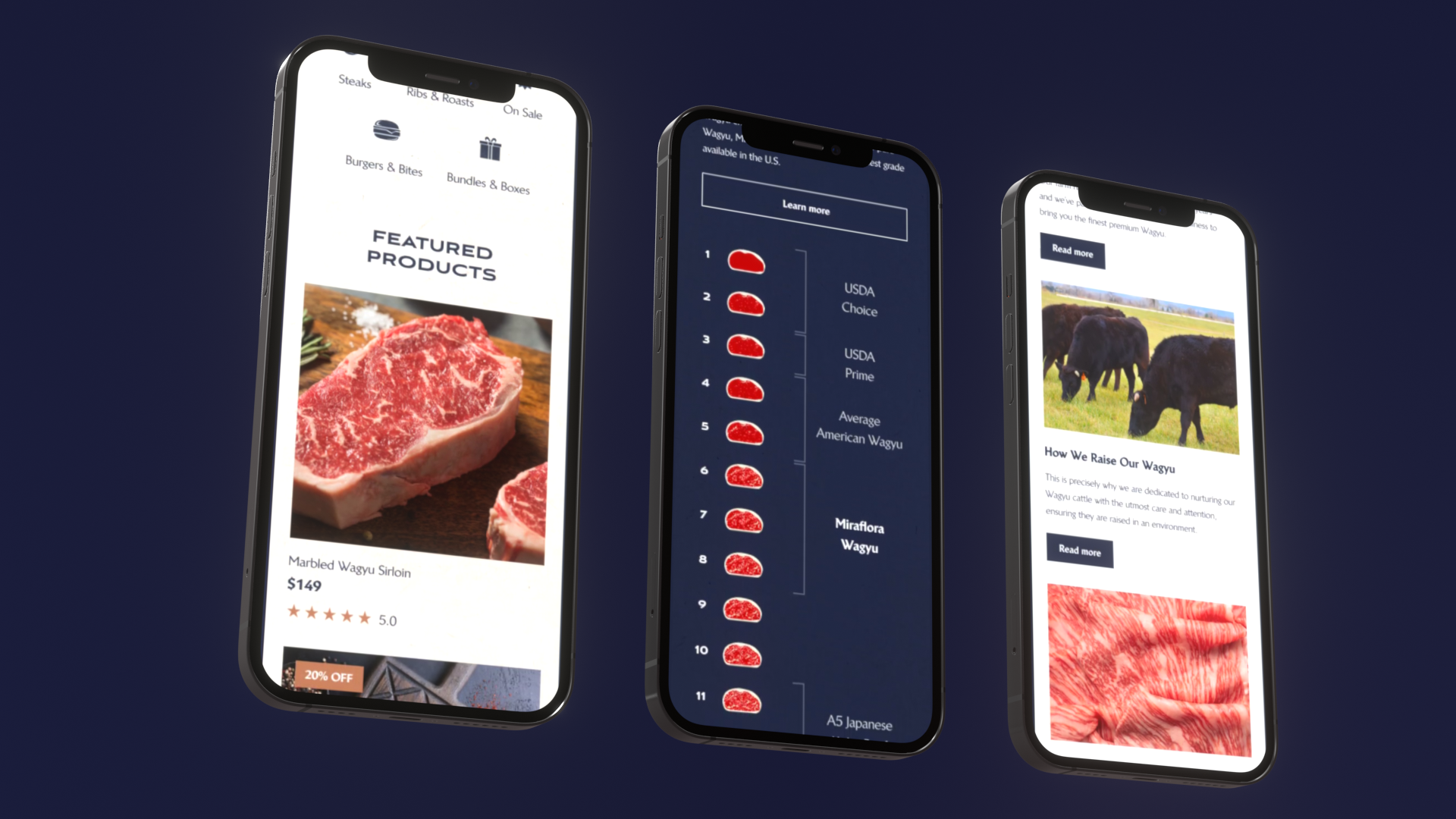
- Miraflora Wagyu: we shipped a luxury Shopify experience in 4 weeks with a team spread from Hawaii to Germany. Async communication was a constraint from day one. The lesson maps directly to support: if you rely on synchronous handoffs, your response times will drift. You need clear templates, clear ownership, and a single source of truth.
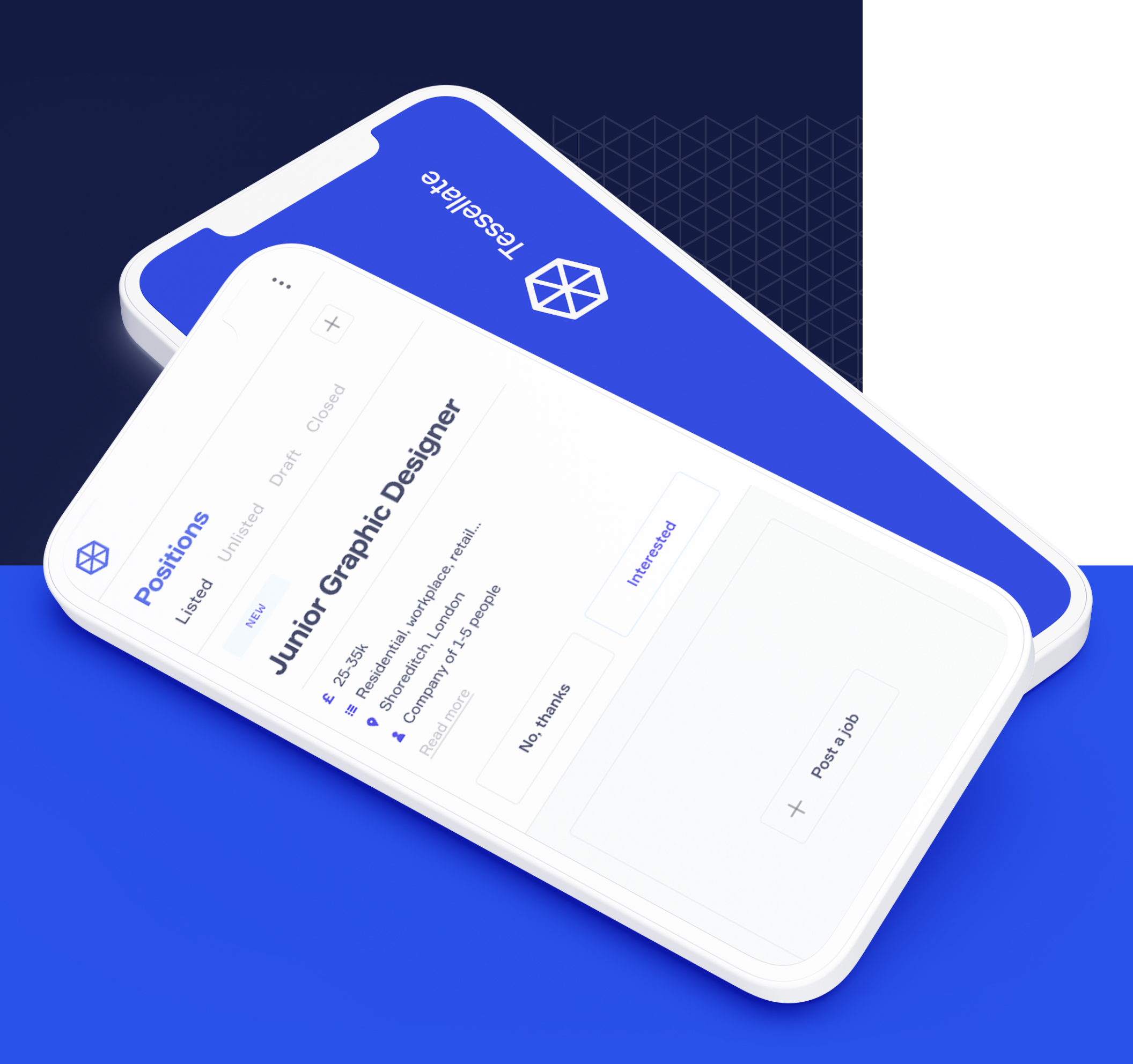
- Tessellate: the challenge was streamlining product development for growing teams. Support for a growing product is similar. You need structure, but not so much structure that every change becomes a project.
Example: On Miraflora Wagyu, time zones forced us into disciplined async updates. The same discipline is what keeps a help center current and prevents “tribal knowledge” support.
What tends to move the needle for product led SaaS:
- Better onboarding content reduces ticket volume
- Better context reduces back and forth per ticket
- Tight feedback loops reduce repeat issues
And what doesn’t:
- A bigger bot with more branches, before you fix the top confusing UI flows
- More tags, without a clear taxonomy owner
- Fancy dashboards that nobody reviews
benefits:what to measure in the first month
benefits:
- Time to first response: by channel and by segment (free vs paid)
- Time to resolution: median and p90, not only averages
- Replies per ticket: proxy for missing context or unclear instructions
- Deflection rate: percent of users who solve via help center or bot without an agent
- Top 10 themes: counts plus example conversations, reviewed weekly with product
- Escalation rate to engineering: and how long it takes to close the loop
If you don’t have historical data, treat month one as a baseline. Don’t pretend it’s a success story yet.
featuresGrid:product led capabilities to prioritize
featuresGrid:
- User context in the inbox: show plan, workspace, last seen, and key product events
- Fast knowledge base publishing: simple editor, versioning, and clear ownership
- Routing rules that match your product: by feature area, plan, language, or region
- Lightweight automation: macros, triggers, and one deflection path for top questions
- Feedback loop tooling: tags, exports, and a way to turn themes into backlog items
- Auditability: conversation history, internal notes, and clear permissions
These are the things that reduce chaos without turning support into bureaucracy.
Conclusion
Intercom vs Zendesk vs Freshdesk is not a pure feature comparison. It’s a question of operating model.
- Choose Intercom if in app support and lifecycle messaging are central to your product led motion.
- Choose Zendesk if you need mature ticketing workflows, strong governance, and you’re ready to invest in ops.
- Choose Freshdesk if you want a solid helpdesk fast, with lower admin overhead, and you’re not trying to build a messaging engine.
Next steps that keep you honest:
- Write your decision filter (channels, workflows, context needs, ownership)
- Run a 30 day rollout with a small scope
- Measure outcomes that matter to product (activation, repeat issues, churn signals), not only ticket throughput
Insight: The platform is a lever. The real work is taxonomy, ownership, and a weekly loop between support and product.
faq:quick answers we get from product led teams
faq:
- Q: Can we start with Freshdesk and move later? A: Yes, if you keep taxonomy simple and exportable. Don’t build a maze of custom fields you can’t migrate.
- Q: Do we need in app chat on day one? A: Not always. If your product is simple and your users prefer email, start there. Add in app only when you can staff it and measure impact.
- Q: What is the first automation we should build? A: One deflection path for the single highest volume question. Then measure deflection rate and user satisfaction.
- Q: How do we stop support from becoming a product dumping ground? A: Define escalation rules and a weekly review. If product never shows up, nothing changes.