Direct answer
Feature flags pay off when release safety, targeting, and ownership are production disciplines, not dashboard toys. Pick a tool your team can operate under load, then hire seniors who wire flags into CI and incident response. Apptension ships senior-only SaaS delivery across Node, Python, and React.
Introduction
Feature flags and experimentation tools look simple until you ship them at scale.
At first, you just want a safe rollout. Then you want kill switches. Then product asks for A B tests. Then compliance asks who can flip what. Then engineering asks why the SDK is on the hot path.
This piece compares three common picks for SaaS teams: LaunchDarkly vs Split vs Optimizely. Not as a vendor shootout. More like: what breaks, what works, and what to measure before you commit.
- If you need fast, reliable flagging across many services, LaunchDarkly is usually the baseline.
- If you want experimentation tied to engineering metrics, Split is strong.
- If you are closer to marketing and product experimentation, Optimizely often fits better, but you need to be clear on what layer you are testing.
Insight: The hard part is not flipping a flag. The hard part is making flags safe, auditable, and cheap to run when you have dozens of teams shipping every day.
What we mean by feature flags and experimentation
- Feature flags: runtime switches to control exposure (on off, gradual rollout, targeting, kill switch).
- Experimentation: controlled exposure with measurement (A B tests, holdouts, sequential testing, guardrails).
- Operational reality: flags become a system. They need ownership, cleanup, and governance.
Where this shows up in delivery work
In our work building SaaS products like Teamdeck and delivering complex platforms like Expo Dubai 2020 (2 million visitors over a six month event window), the recurring pattern is the same:
- You need safe release mechanics when timelines are tight.
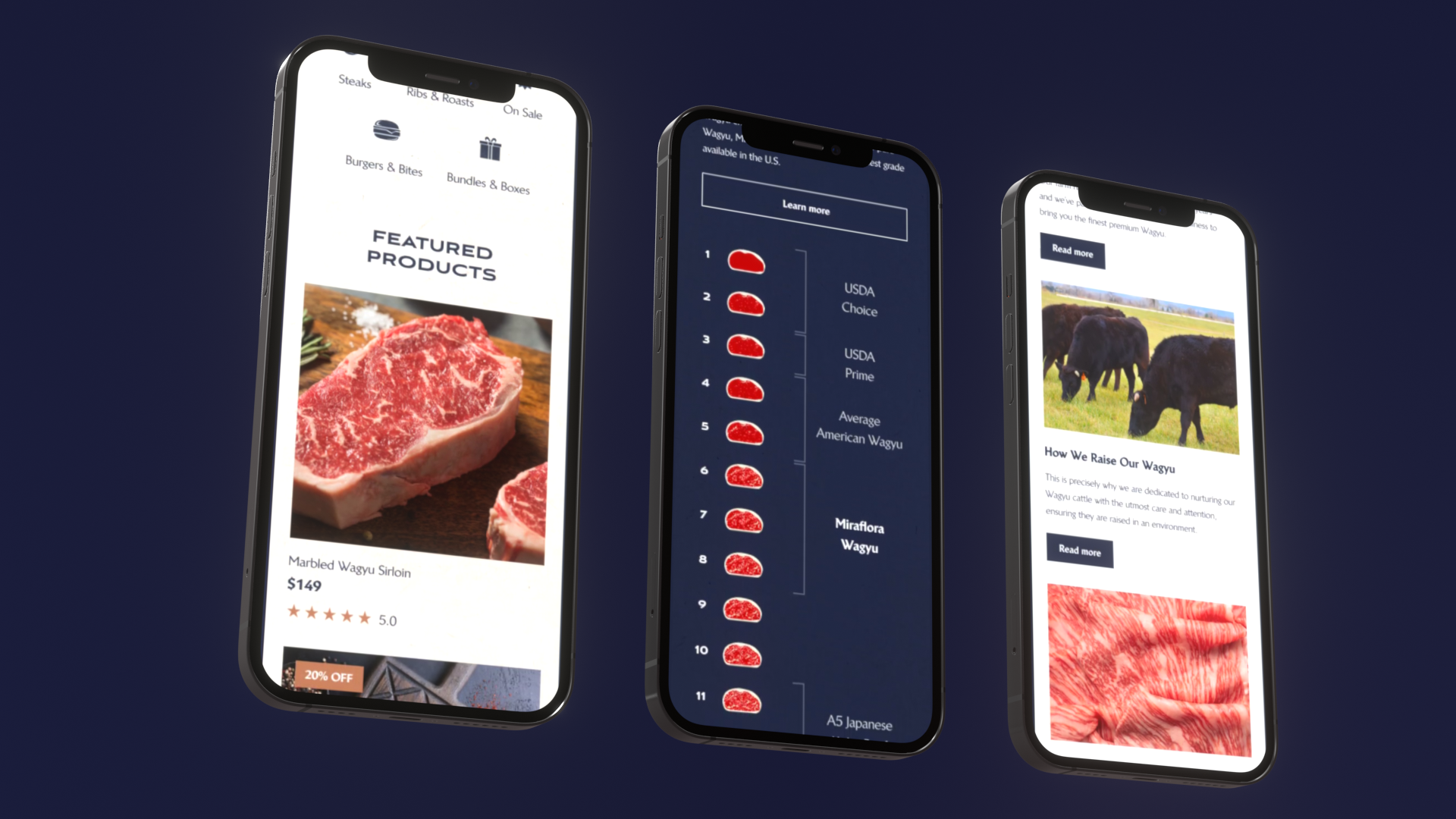
- You need to coordinate across time zones and async feedback loops (we saw this clearly on Miraflora Wagyu, delivered in 4 weeks with a distributed team).
- You need to ship without turning every release into a high stakes event.
That is what feature flagging is for. Experimentation is what you add once you can trust the release system.
Quick self check before you pick a tool
Answer these before you compare pricing pages:
- Do you need flags in backend services, mobile, and frontend, or only one surface?
- Do you need experimentation now, or is this mainly about safe rollout and kill switches?
- Who flips flags in practice: engineers only, or product and support too?
- What is your tolerance for SDK overhead on critical paths?
- If you cannot answer #4, treat that as a risk and plan a performance test.
What usually goes wrong (and why teams regret DIY flags)
Most teams start with a homegrown config table. It works. Until it does not.
Common failure modes we see when SaaS teams scale past MVP:
- Flags become permanent. Nobody deletes them.
- There is no consistent naming, ownership, or expiration.
- Targeting rules drift between services.
- You cannot answer: who changed this, when, and why.
- Experiments run without guardrails, so you ship a local maximum that hurts retention.
Key Stat: The no code market was projected to reach 52 billion by 2024. The lesson is not that no code wins. It is that quick wins often hide long term constraints. Flags are similar when you DIY them.
The hidden costs that show up later
These are the costs that do not appear on day one:
- Operational load: on call gets paged because a flag change caused a spike.
- Inconsistent evaluation: different SDK versions behave differently.
- Data mismatch: experiment assignment does not match analytics events.
- Compliance gaps: you cannot prove change control.
A simple mitigation checklist
- Assign an owner per flag.
- Add an expiration date and a cleanup ticket.
- Keep a default behavior that is safe.
- Log flag evaluations for debugging, but avoid logging PII.
Insight: When flags are cheap to create, they get created. Your process has to make them cheap to remove too.
When not to buy a tool yet
Sometimes you do not need LaunchDarkly, Split, or Optimizely on day one.
You can delay a purchase if:
- You have a single service and a single client surface.
- You only need one or two temporary kill switches.
- You can accept manual deploys to change behavior.
But be honest about the next six months. If you are moving from startup hustle to startup muscle, tooling tends to replace heroics.
- Hypothesis: once you have more than 10 active flags across more than 2 teams, governance becomes the bottleneck.
- What to measure: number of active flags, age distribution of flags, incidents linked to flag changes.
_> Where feature flags pay off
Numbers we have seen matter more than vendor checklists
LaunchDarkly vs Split vs Optimizely: the practical comparison
Here is the comparison most teams actually need: reliability, control, experimentation depth, and how painful it is to operate.
Side by side table
| Category | LaunchDarkly | Split | Optimizely | |---|---|---| | Core strength | Mature feature flagging and governance | Engineering led experimentation with strong metrics focus | Product and marketing experimentation ecosystem | | Best for | Multi team SaaS with complex rollout needs | Teams that want experiments tied to performance and delivery metrics | Organizations running lots of product experiments and web testing | | Flag governance | Strong roles, workflows, audit trails | Solid governance, often paired with experimentation workflows | Depends on product mix, can be strong but more experimentation oriented | | Experimentation | Good, but often not the main reason teams buy it | First class, designed around experimentation | Deep experimentation suite, especially for web and product | | SDK and infra | Widely used SDKs, edge cases still exist at scale | Strong SDKs, focus on measurement | Varies by module, can be heavier depending on setup | | Common risk | Cost and sprawl if you do not manage flags | Learning curve for stats and metrics discipline | Misalignment between web experimentation and backend feature delivery |
What each tool feels like in day to day use
- LaunchDarkly: you buy it to stop being scared of releases. You keep it because governance and targeting are hard to replicate.
- Split: you buy it when you want experiments to be part of engineering, not a side project in analytics.
- Optimizely: you buy it when experimentation is already a core workflow across product and marketing, and you want mature testing operations.
Insight: Pick the tool that matches who will run it. If product will own experiments, a tool optimized for engineers can stall. If engineers own rollout safety, a marketing first tool can create friction.
Decision shortcuts that actually work
If you want a fast answer, use these shortcuts:
Choose LaunchDarkly if you need:
- strict permissions and audit trails
- many environments and many teams
- safe progressive delivery across services
Choose Split if you need:
- experimentation that is tightly coupled to engineering metrics
- clear guardrails and measurement discipline
- a workflow where engineers own experiment setup end to end
Choose Optimizely if you need:
- mature experimentation operations for product and marketing
- strong support for web and product testing programs
- existing org muscle around experimentation
If you are still undecided:
- Run a proof of concept on one service and one UI surface.
- Measure SDK latency overhead and failure behavior.
- Validate that assignment and analytics events line up.
- Hypothesis to validate: the biggest long term cost is not licensing. It is mis owned flags and experiments that nobody cleans up.
Implementation strategy: how to roll this out without chaos
Tooling does not fix process. It amplifies it.
Common regrets once teams scale:
- Flags stick around forever. No owner, no expiration, no cleanup.
- Targeting rules drift across services. Same flag, different behavior.
- You cannot answer who changed what, when, and why.
- Experiments ship without guardrails, so short term wins can hurt retention.
Hidden costs to watch: on call spikes after a flag flip, SDK version mismatch, and assignment data that does not match analytics events. Track: incident count tied to flag changes, number of stale flags, and percentage of flags with an owner + expiration.
A rollout plan that tends to work across SaaS teams:
- Start with kill switches and a single progressive rollout flow.
- Add targeting rules next (segments, cohorts, internal users).
- Add audit and governance (roles, approvals, change logs).
- Only then add experimentation at scale.
- Do not start with 30 flags.
- Do not let every team invent its own naming.
Example: On fast delivery projects like Miraflora Wagyu (4 weeks), the biggest risk is not code quality. It is coordination. Flags help when feedback is async, but only if you keep rules simple and defaults safe.
A minimal flag lifecycle that prevents flag debt
Use this lifecycle in Jira or Linear. Keep it boring.
- Create
- define owner, purpose, default, and sunset date
- Rollout
- internal users, then small cohort, then broader
- Observe
- errors, latency, conversion, support tickets
- Remove
- delete code paths and config, close the cleanup ticket
What to log and what not to log
Log:
- flag key
- variation
- timestamp
- environment
- correlation id
Avoid:
- raw user identifiers in logs
- sensitive attributes used for targeting
Code example: safe flag wrapper
// TypeScript example: keep flag usage consistent and testable

type FlagKey = "new_checkout" | "pricing_page_v2";

interface FlagClient {
  variation(key: FlagKey, user: {
    id: string
  }, defaultValue: boolean): boolean;
}

export function isEnabled(
  client: FlagClient,
  key: FlagKey,
  userId: string,
  defaultValue = false
) {
  try {
    return client.variation(key, {
      id: userId
    }, defaultValue);
  } catch (e) {
    // Fail safe. Defaults should be chosen per flag.
    return defaultValue;
  }
}- The wrapper is not about elegance.
- It is about consistent defaults, consistent error handling, and easier testing.
Insight: If you cannot remove a flag in under 30 minutes, you will not remove it. Build removal into the workflow.
Metrics to track from week one
If you do not measure it, you will argue about it.
Track these metrics:
Release safety
- incident count tied to releases
- mean time to rollback (or disable via flag)
Performance
- SDK evaluation latency on critical endpoints
- client side impact on page load and app startup
Flag hygiene
- number of active flags
- median age of flags
- percentage of flags past sunset date
Experiment quality
- percent of experiments with pre defined success metric
- percent with guardrails (errors, latency, churn)
Hypothesis: teams that enforce sunset dates will reduce flag count by 30 to 50 percent over a quarter.
What to measure: flag count trend, cleanup completion rate, and time spent debugging flag related issues.
Flag hygiene
Sunset dates and owners
Every flag has a responsible person and an expiration. Cleanup is a task, not a hope.
Safe defaults
Fail closed or fail open
Decide what happens when the flag service is slow or down. Document it per flag.
Measurement discipline
One metric is not enough
Use success metrics plus guardrails like errors, latency, and support tickets.
Conclusion
LaunchDarkly, Split, and Optimizely can all work. The wrong pick usually happens when the tool does not match your operating model.
If your goal is safer releases, optimize for:
- governance
- targeting
- reliability under load
If your goal is better product decisions, optimize for:
- experimentation workflow ownership
- metric discipline
- clean assignment and analytics integration
Next steps that are worth doing this week:
- Pick one service and one UI surface. Run a two week proof of concept.
- Define three metrics up front: one safety metric, one performance metric, one product metric.
- Add sunset dates to every new flag. No exceptions.
Insight: The best feature flag system is the one you can operate calmly when something breaks at 2 a.m.
- If you want a simple default: start with progressive delivery, prove the workflow, then scale experimentation.
- If you want a strong long term posture: treat flags like code. Ownership, reviews, cleanup, and audit trails.
A quick recommendation map
- Choose LaunchDarkly when release control and governance are the main problem.
- Choose Split when you want engineering owned experimentation with strong measurement.
- Choose Optimizely when experimentation is already a core product and marketing function and you need mature testing operations.
If none of these fit, that is also a signal. You might need to simplify your rollout model before you buy tooling.