
Direct answer
React Native is the right hire when you need one senior mobile team for iOS and Android and your web stack is already React or TypeScript. Skip it when native-only constraints dominate the product. See React Native expertise and React Native vs Flutter.
Founders and CTOs do not need another "what is React Native" primer. You need a fit gate: when shared mobile delivery cuts time-to-market without trapping you in the wrong architecture.
Fit gate: hire React Native when these are true
Use React Native when most of the following hold:
- One product, two stores. You must ship iOS and Android together, not sequentially six months apart.
- Shared talent with web. Your web team already thinks in React and TypeScript. One senior mobile pod can move faster than two native specialty teams.
- MVP or B2B product surfaces. Forms, workflows, dashboards, content, auth, and moderate device APIs dominate. Not a camera-heavy AR game.
- Release cadence matters. You want one backlog, one design system, and coordinated OTA or store releases.
Apptension ships senior-only React Native pods. 360+ projects since 2012. No juniors on client work.
Anti-fit: when native (or something else) wins
Do not force React Native if:
- You need bleeding-edge platform APIs the day Apple or Google ships them
- The product is graphics, low-latency media, or heavy background compute first
- Procurement already locked a Flutter or native-only vendor for the whole program
- Your only mobile need is a thin WebView wrapper. That is not a React Native problem.
Honesty here saves runway. A wrong stack choice costs more than two extra weeks of discovery.
What you actually buy when you hire a React Native team
You are not buying "JavaScript on phones." You are buying a delivery system:
- Shared UI and navigation with native modules where the platform demands them
- CI for both stores, including signing, release trains, and crash reporting
- Performance budgets for startup time, list scrolling, and bridge or New Architecture paths
- Test strategy that mixes unit, component, and selective E2E (Detox-class) on critical journeys
If a vendor only talks about "70–90% shared code" without CI, store ops, and native escape hatches, keep interviewing.
Startup economics: why shared mobile still wins in 2026
Early-stage teams care about three numbers: time to first store release, cost of a feature across platforms, and hiring risk. React Native improves all three when the fit gate passes.
- Time: one implementation path for most product UI
- Cost: one mobile squad instead of mirrored iOS and Android teams for the same backlog
- Hiring: React talent is broader than niche native specialists for many B2B products
For investor demos, a credible React Native MVP with production auth and crash reporting beats two half-finished native apps.
How Apptension runs React Native engagements
We treat mobile like production SaaS: senior engineers only, explicit fit gates, and a path into PoC/MVP or longer hybrid teams.
- Stack partner evaluation against your web stack and release constraints
- New Architecture and Expo or bare workflow choices made with ops in mind
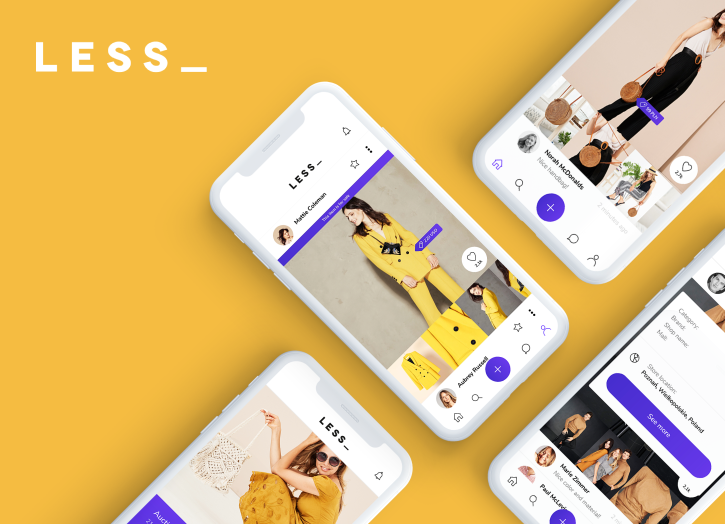
- Case patterns such as marketplace and workflow apps where shared UI paid off (for example LESS_)
Hire senior React Native engineers
React Native expertise · POC and MVP development · Get in touch