The questions and results seen by the user are determined based on complex algorithms. Given the delicate subject matter, everything had to be executed precisely, so that the reports received by the users were accurate. Our client provided us with detailed algorithms and mechanics of the app and our job was to turn these dependencies into functioning app logic.
The app stores over 1000 questions in total and their order is determined in real time, based on user’s answers. Thanks to code optimization, we were able to shorten the time Tresilio needs to generate another question to just a few milliseconds. Security and data protection were critical to ensure user confidentiality were protected at all times.
This was evaluated and implemented at every stages of the design, build and testing. We’ve built a Django-based admin panel which enabled our client to load new questions, change their values and manage the biomarkers’ orders. Celery is used to distribute reports and emails (managed with Mailchimp API).
To handle the frontend part of the project we decided to use React, an open-source JS library. The project is divided into small reusable bits, Material-UI helped us to implement the standard Material Design components. It provided us with the flexibility we required: Tresilio, created as web app for the MVP stage, can be turned into a native mobile app faster.
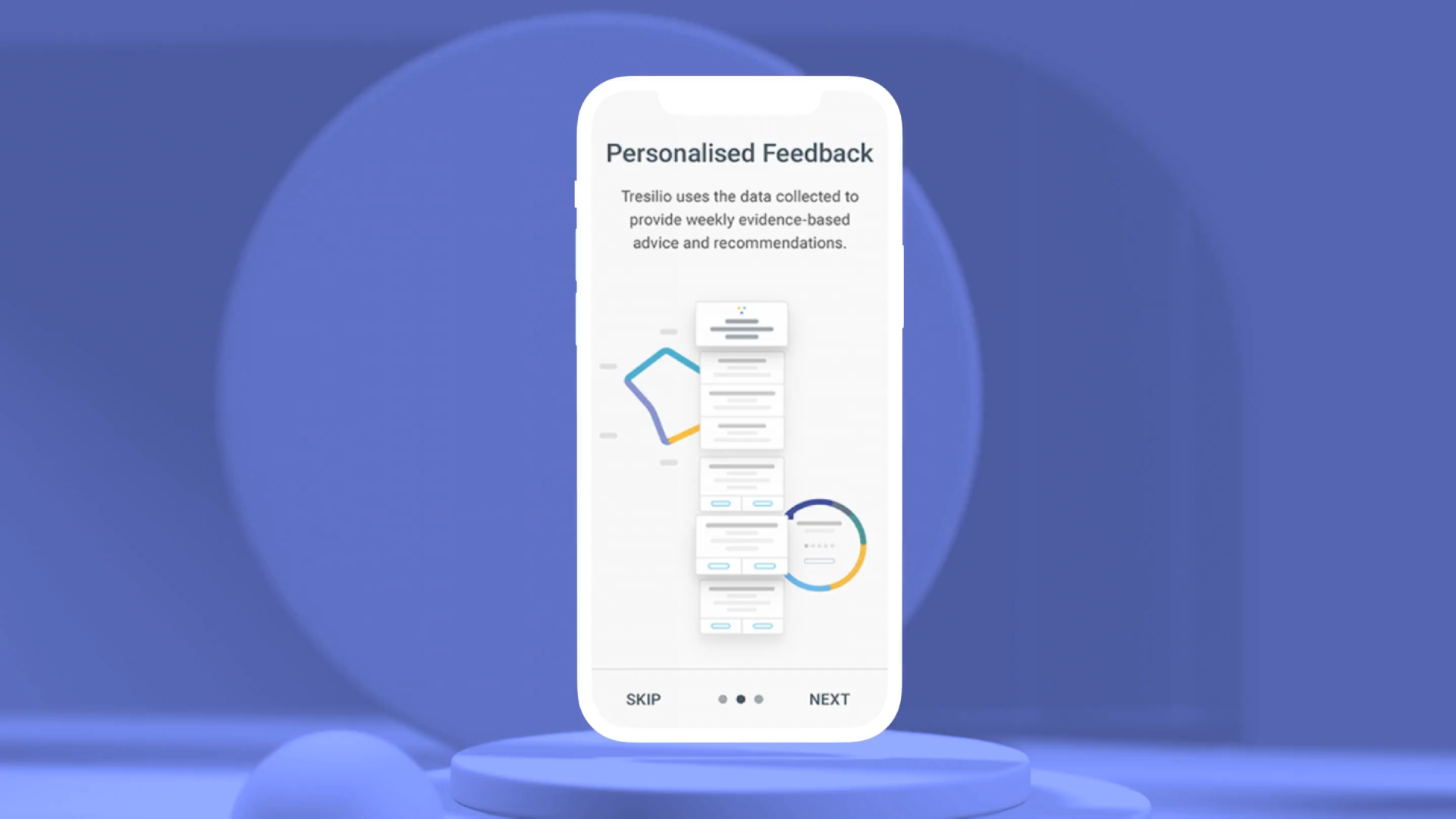
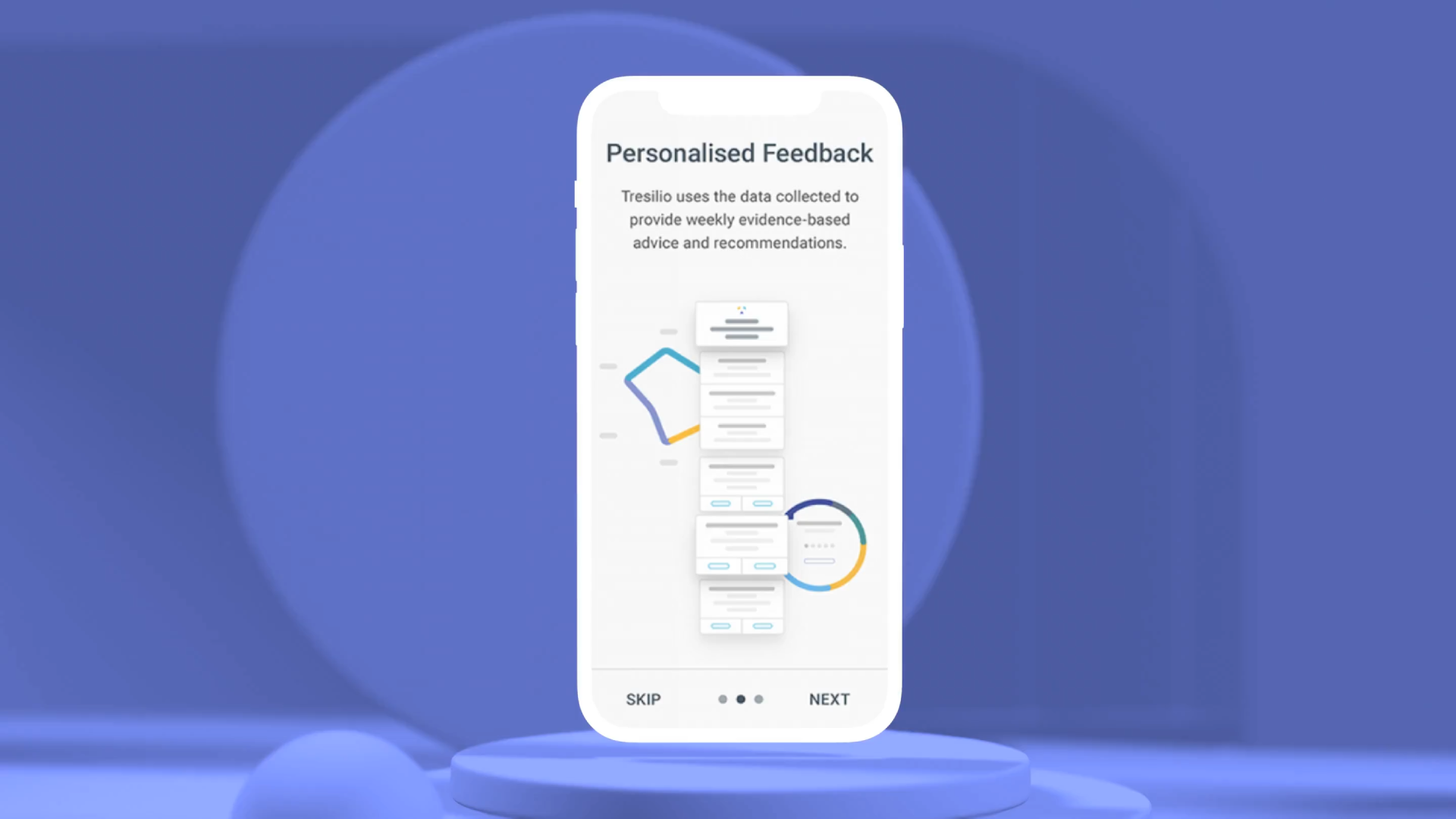
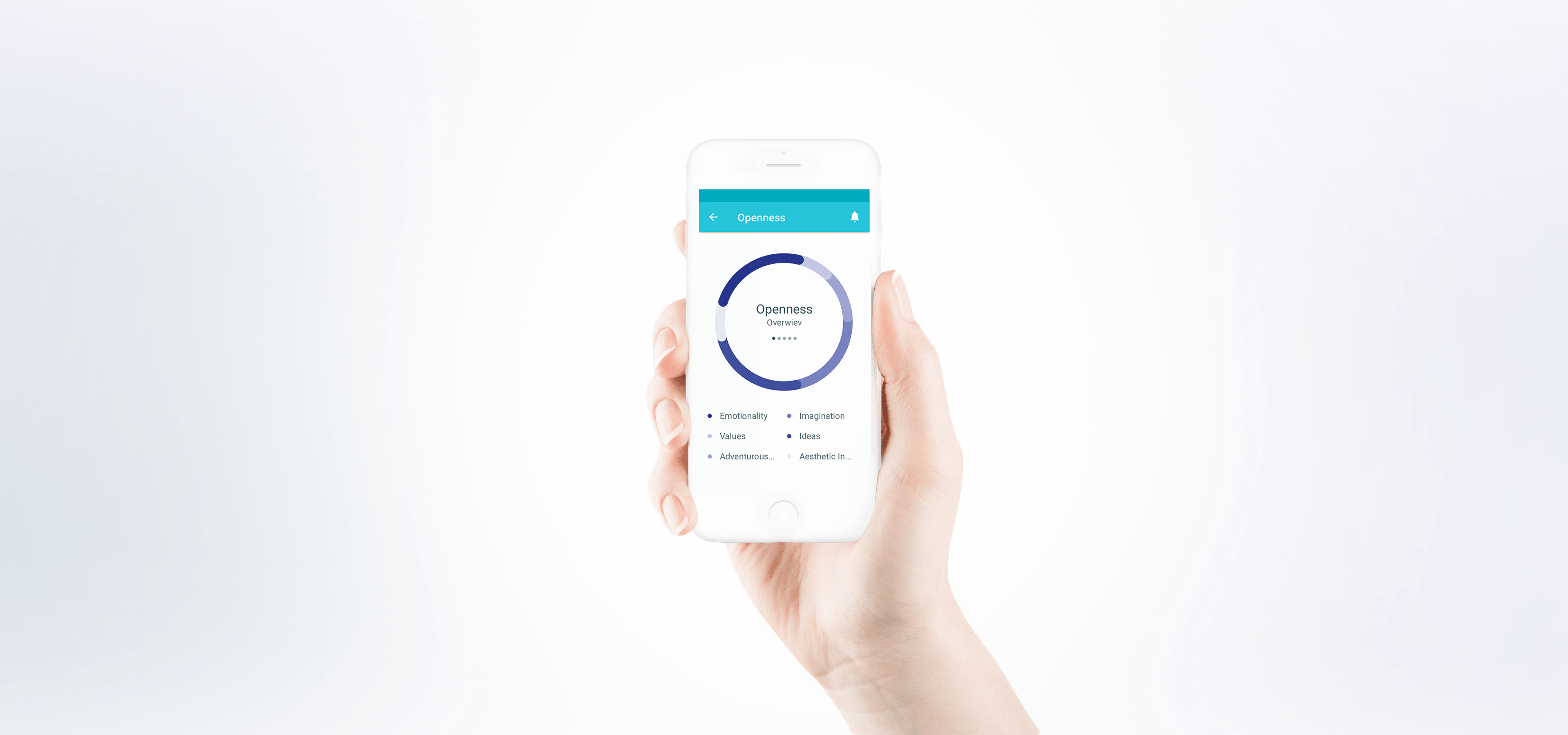
We had to figure out a way to translate complex medical knowledge into insights that can be understood by people browsing the app. We decided to visualize the data using different kinds of interactive graphs. Each graph is built with D3 and rendered using Canvas.
This solution improved the performance of the graphs, since SVG animations would be too slow on Android devices. Questions for the user are presented in an engaging way, with sleek microinteractions. Tresilio is a mobile-first web app, so, in order to maintain good user experience, we had to implement different views for different mobile devices.