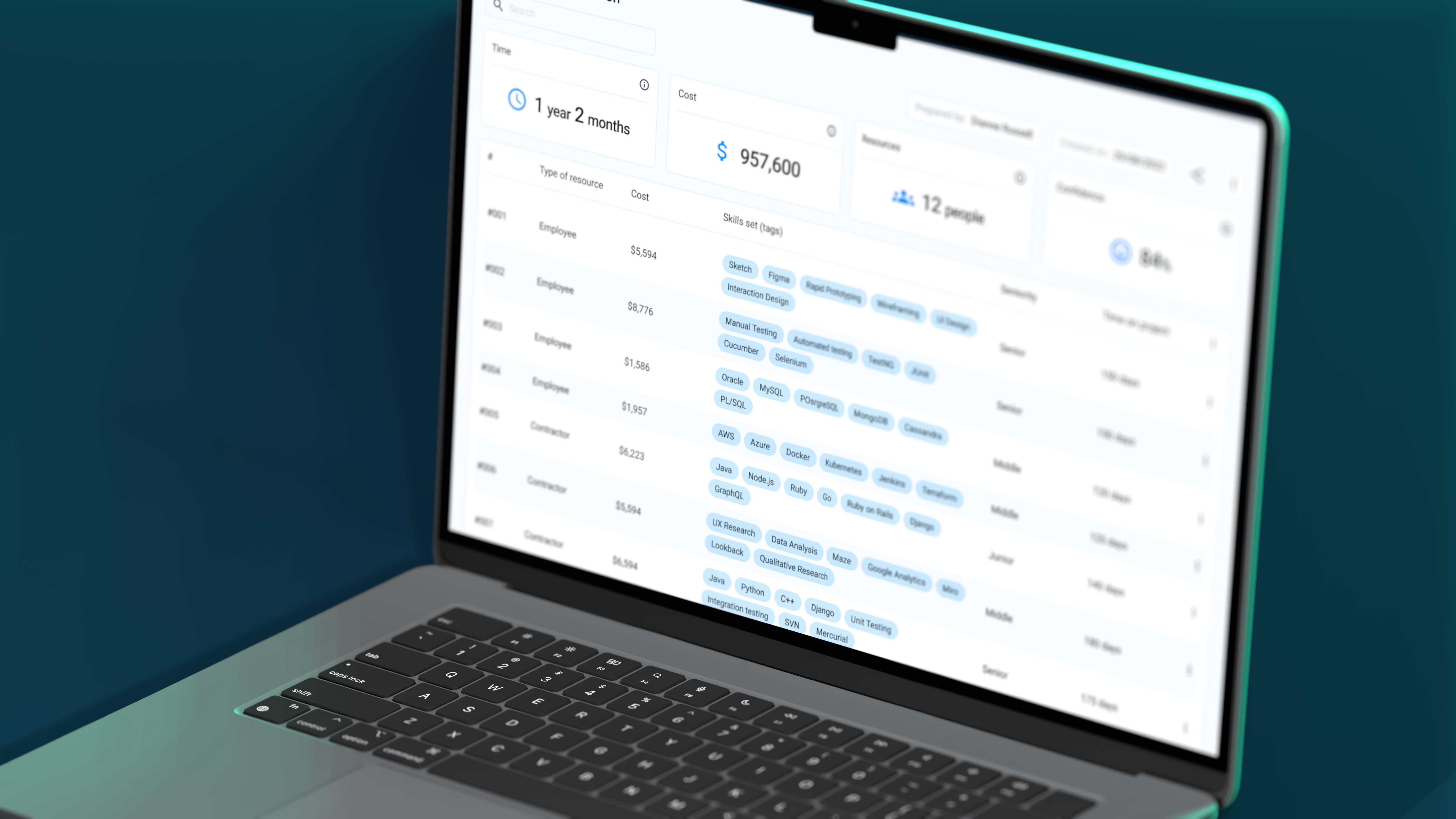
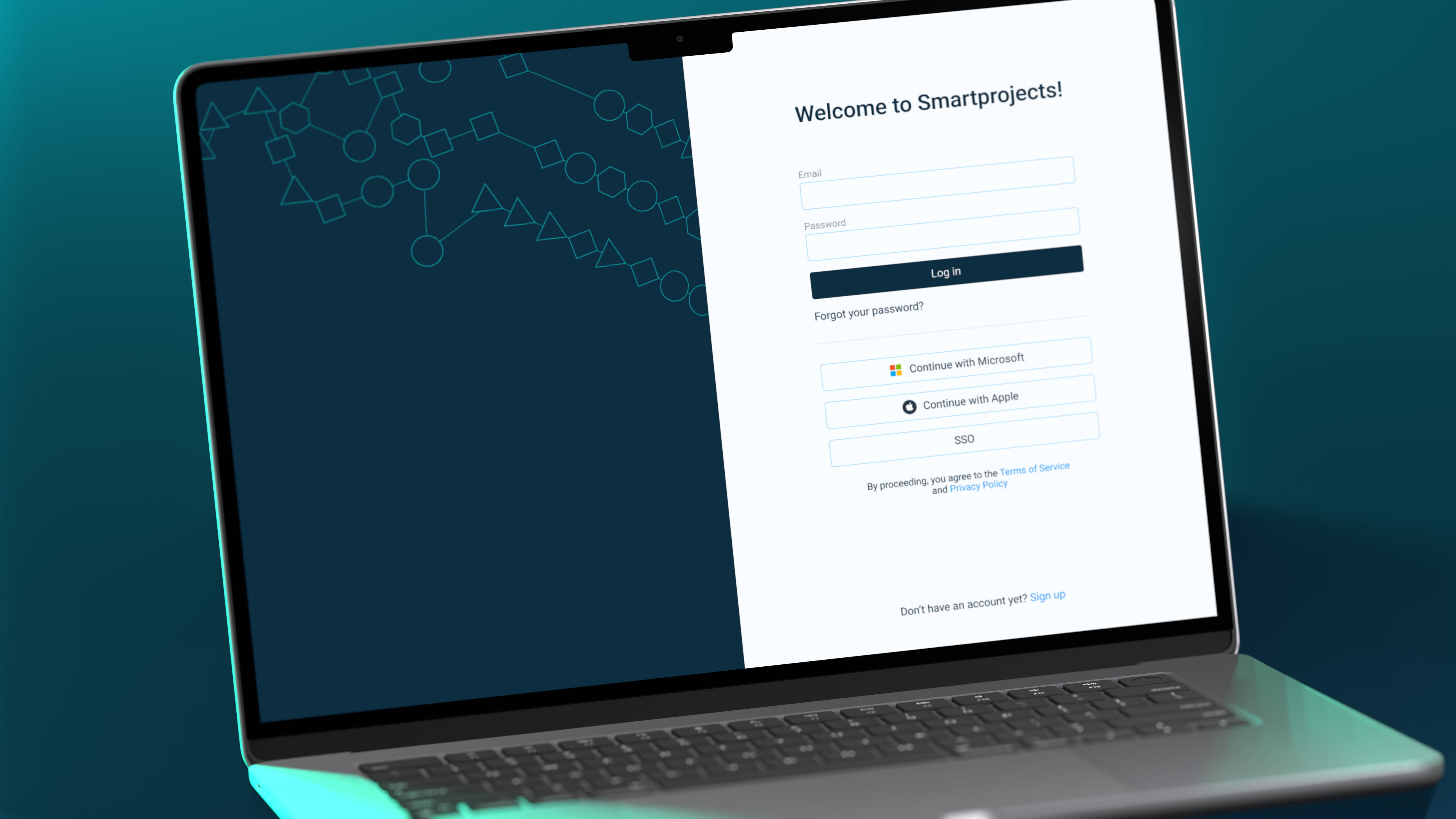
An AI-powered estimation tool could effectively tackle the challenges associated with project estimation from an enterprise perspective through its advanced capabilities. Such a solution would leverage data-driven estimation to identify patterns, benchmarks, and trends, as well as use predictive analytics to anticipate potential risks and uncertainties. As a result, the client would have enhanced accuracy and adaptability in the estimation process.
We designed an AI-powered estimation tool for enterprise project management through product discovery workshops with a methodical process. We began with an initial needs assessment to understand the client's specific requirements and challenges.
Subsequently, the client's involvement as a stakeholder was crucial, inviting representatives from various departments for a holistic perspective. During the workshops, we used a lean approach, a lot of brainstorming with the client and the team, using Miro boards, mind mapping, building application and process workflows and implementations roadmaps. As a result, we delved into the intricacies of enterprise projects, exploring their complexities, changing requirements, and resource allocation issues.
In tandem with the client, the project goals were meticulously defined, ensuring a clear understanding of what the AI-powered tool should achieve.
To meet user requirements, a separate workshop was conducted to identify the needs of project managers, stakeholders, and end-users. The technology aspect was explored in detail through feasibility checking risks, showcasing AI capabilities such as machine learning, predictive analytics, and real-time data integration, shedding light on the potential application of these technologies in the client's specific context.
The last phases of prototyping and iteration involved developing a clickable prototype of the tool, gathering client feedback, and refining the design in the Agile process. This approach helped us adjust the prototype of the application to capture all the customer needs even when these were evolving on the go.