The team approached the challenge by following a 5W1H framework in their research efforts. Pretty quickly, they identified that the application would be used by an older generation who maintain beekeeping traditions in their families or treat it as a hobby during retirement. However, after going a little further into the research, we also found out that in recent years, an increasing number of younger people become engaged in beekeeping, driven by an interest in ecology, local product production, and sustainable agriculture.
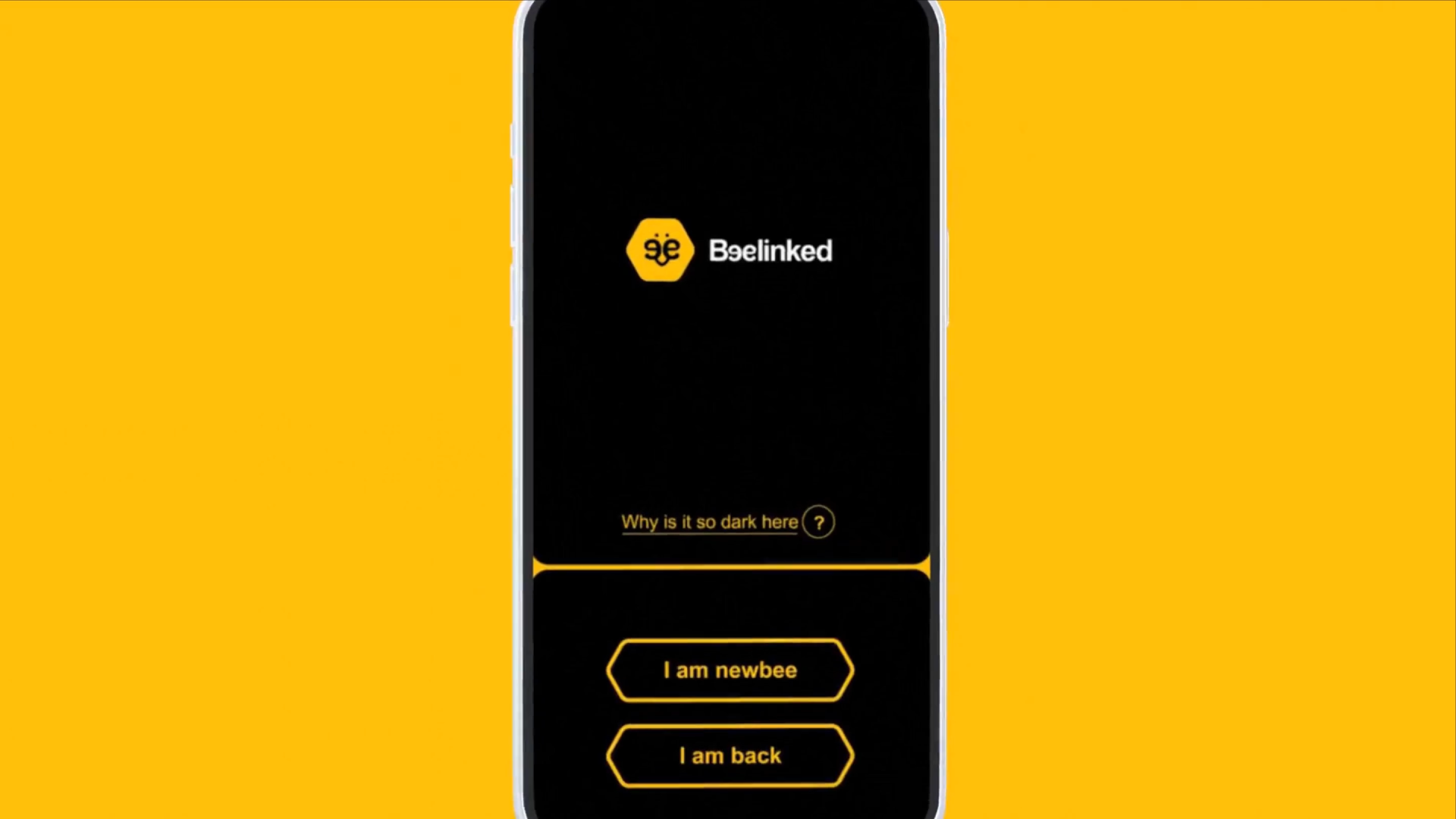
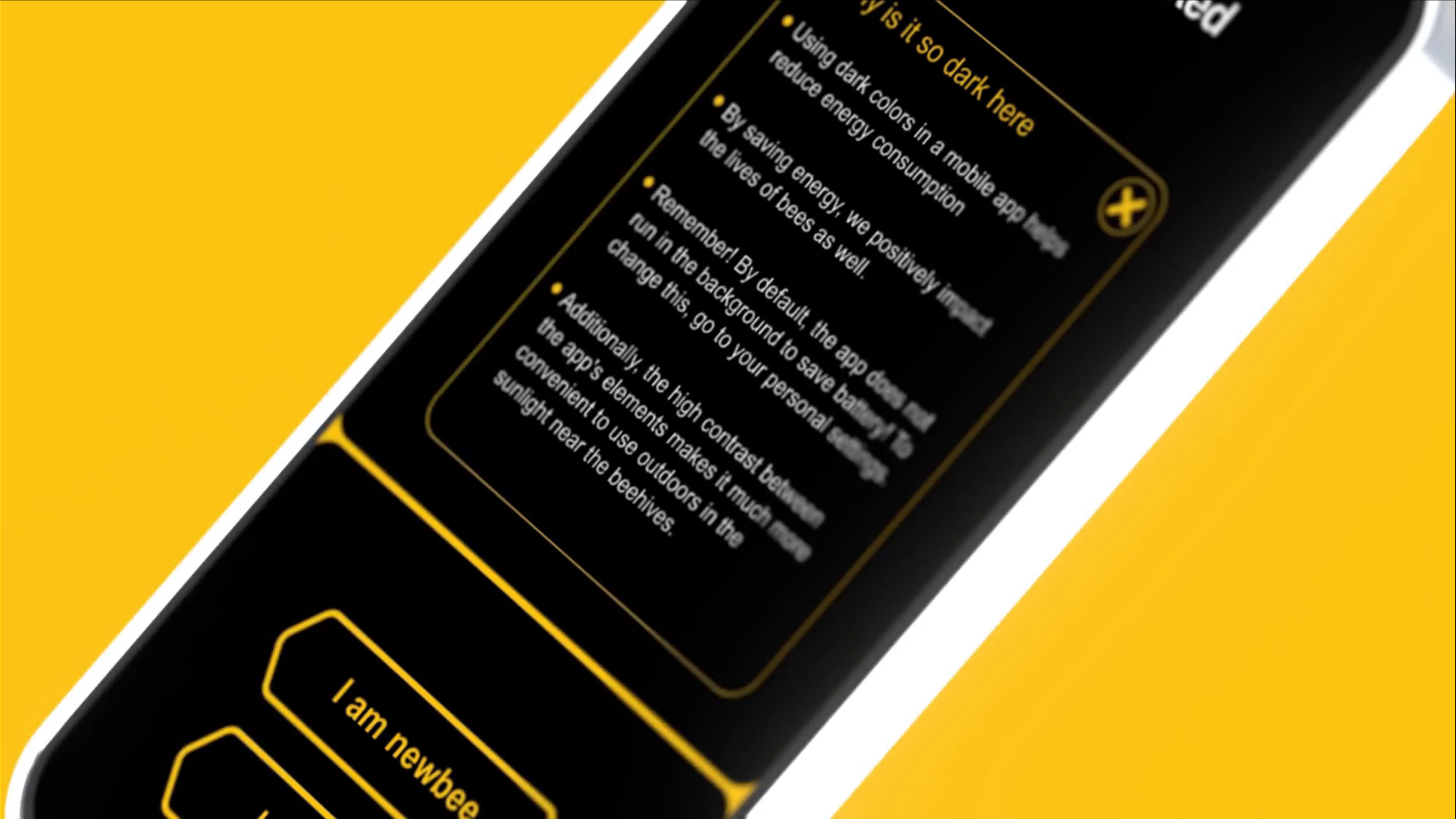
So, we decided to combine the need for a minimalistic, readable design with big, clean elements that would be center-oriented while proposing a modern and eco-friendly design for younger users. All main phases of building the BeeLinked app have been done in Figma. That's where the design team worked on the wireframes and prototypes, bringing their idea to life.
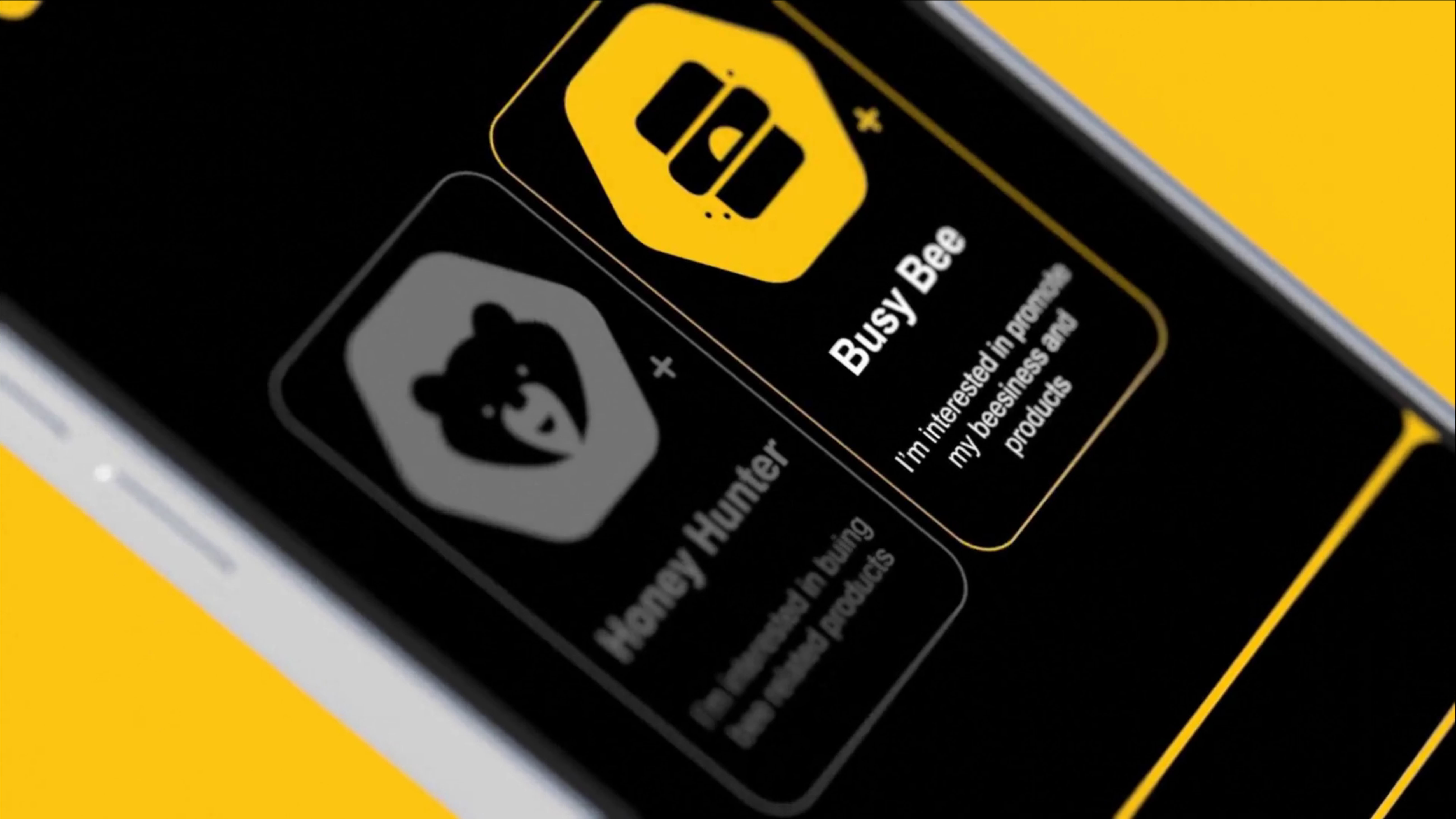
The process went on with the development of an application concept that connects producers and consumers, facilitating knowledge sharing and business growth. Our strategy was to aid beekeepers in various aspects of their business, such as weather monitoring, pest and plant identification, disease control, and financial management. At the same time, we wanted to create a solution to provide honey lovers with access to a market of verified producers, product information, and direct purchasing options.
As BeeLinked is still in the concept phase, we have not decided which technologies will be used for the backend, frontend, infrastructure, and framework. It will be determined in the next stages of work on the project.